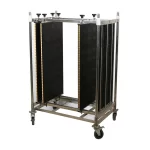

Selecting the right high temperature resistant ESD magazine rack is essential for protecting delicate PCBs during manufacturing, especially in environments where elevated temperatures and electrostatic discharge pose a risk. For manufacturers striving to optimize assembly lines, prevent board defects, and improve efficiency, understanding the rack’s specifications and features is key. This guide explains how to evaluate racks for your production needs, outlines resistance grades, and covers practical selection tips to ensure your facility invests wisely.
Why High Temperature Resistant ESD Magazine Racks Matter
In SMT and reflow soldering operations, PCBs are subjected to high thermal loads and static electricity. Magazine racks specifically designed to resist heat and control ESD protect boards during these critical steps. If your rack warps or fails to offer adequate shielding, it could result in misaligned boards, increased defects, and costly rework. Investing in racks that withstand both heat and static mitigates these risks, ensuring consistent product quality and throughput.
Key Technical Features
Material: Racks are commonly made from PPS or PEEK polymers, offering superior thermal stability and ESD protection.
Temperature Resistance: Always check the rack’s rated maximum temperature—common grades are 150°C, 200°C, and 260°C.
Slot Width & Configuration: Ensure compatibility with your PCB dimensions, using adjustable or fixed slots as needed.
ESD Properties: Surface resistivity typically ranges from 104 to 108 Ohms for safe static dissipation.
Certifications: Racks should meet RoHS, CE, and IPC standards to comply with industry requirements.
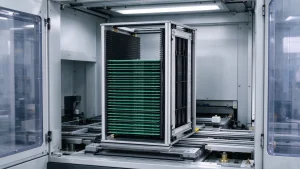
Common High Temperature Resistance Grades
Temperature resistance is crucial for avoiding rack warping or degradation. Most racks fall into these grades:
– Up to 150°C: Suitable for standard SMT storage cycles.
– Up to 200°C: Ideal for reflow ovens and curing.
– Up to 260°C: Required for lead-free soldering or extreme thermal environments.
Evaluate your production line’s peak temperatures and select a rack grade accordingly. PPS racks are economical for mid-range needs, while PEEK is reserved for high-temperature processes.
Choosing the Best Magazine Rack for SMT and Reflow Applications
The ideal high temperature resistant ESD magazine rack for your SMT and reflow production lines should:
· Withstand cyclic thermal changes without losing shape or conductivity.
· Provide reliable ESD protection even at elevated temperatures.
· Fit seamlessly with your current automation systems, such as pick-and-place machines, conveyors, or robotic hands.
· Offer long-term durability and easy maintenance—look out for racks that are easy to clean with isopropanol or standard industrial solvents.
Additionally, racks with reinforced frames and robust corner profiles help prevent accidental drops or impacts. If you operate a high-mix environment (frequent product changes), prioritize modular racks that can be quickly adjusted or interchanged.
Cost Considerations: Balancing Price With Performance
The price of a high temperature resistant ESD magazine rack usually correlates with its temperature grade, material sophistication, and brand reputation.
Don’t let price alone dictate your decision. Instead, focus on:
1、Total cost of ownership (including rack longevity, maintenance, possible rework costs due to product failure).
2、Flexibility for future production needs.
3、Impact on production downtime (does the rack allow quick replacement or PCB loading/unloading?).
If you’re running a high-volume facility, bulk purchasing may reduce unit costs and help negotiate better terms with suppliers. Realize that investing in premium racks often pays off—by preventing costly PCB failures, reducing downtime, and offering longer service life.
Buying Tips
Source high temperature resistant ESD magazine rack products from reputable manufacturers with appropriate certifications. Ask for datasheets and samples to verify suitability, and check for customization options.
A suitable ESD magazine rack not only protects your PCBs from heat and static but also streamlines handling and supports lean manufacturing principles. By focusing on material quality, resistance grade, and proper fit for your automation or manual workflows, you safeguard your products and enhance operational efficiency.