
ESD Component Bins
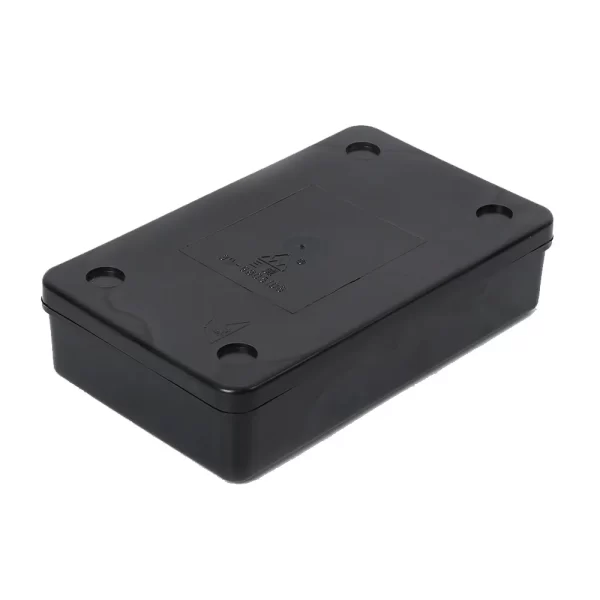
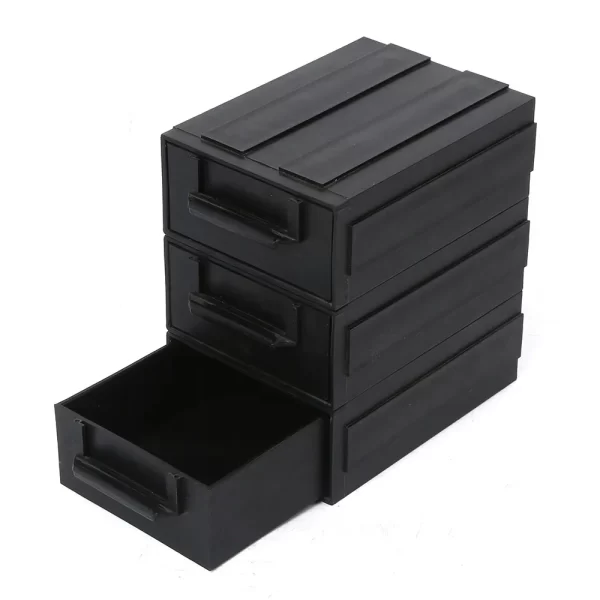
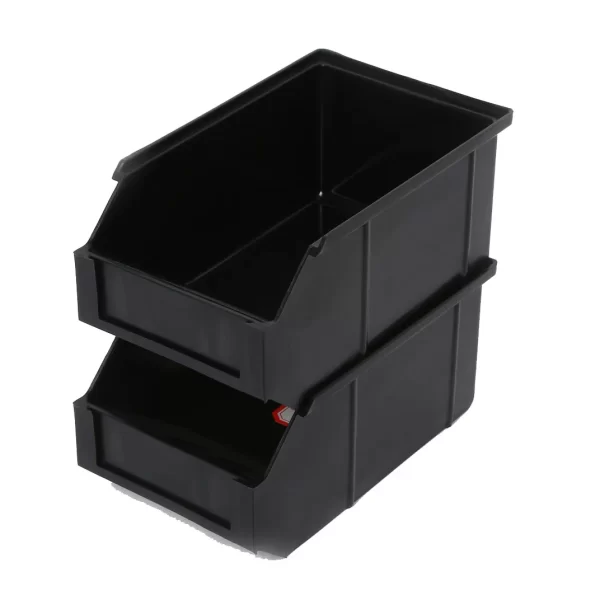
ESD bins organize electronic components for line-side picking, kitting and storage. Choose an open bin for direct access, a front-opening format for shelf picking, or a drawer when each small lot needs a defined pull-out position. The useful size is the space available to the part and the operator, not just the outside footprint.
-
ESD Component Bin
-
ESD Component Bin With Drawer
-
ESD Front-Opening Component Bin
-
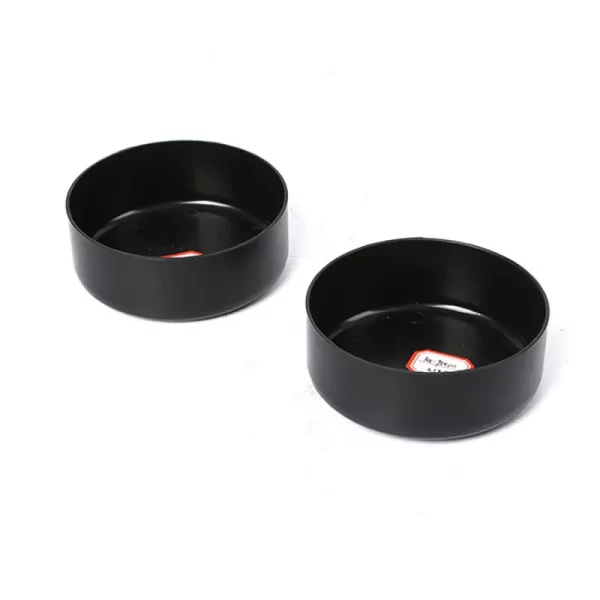
ESD Round Component Bin
Compare open and drawer component bins
| Published model | Outside dimensions | Usable size to review |
|---|---|---|
| QD-9805106 open component bin | 203 × 124 × 50 mm | Inside: 193 × 113 × 42 mm |
| QD-9805133 open component bin | 395 × 115 × 91 mm | Inside: 360 × 93 × 80 mm |
| QD-9805103 drawer bin | 136 × 95 × 48 mm | Drawer inside: 122 × 82 × 38 mm |
| QD-9805103B drawer bin | 240 × 141 × 72 mm | Drawer inside: 232 × 125 × 58 mm |
The dimensions are published on the linked model pages. Drawer usable size and housing inside size describe different spaces. Check the loaded package against the drawer opening and retrieval path as well as its internal envelope.
Which ESD bins work for PCB components?
For resistors, connectors and other small parts, choose compartments around the package, SKU and lot separation rule. For complete boards, check edge or surface support and component projection first. A bin that contains the board outline may still leave connectors or solder joints bearing against its walls. Compare ESD trays or PCB racks where defined support is needed.
Plan dividers, labels and replenishment
Specify one SKU, lot or process status per position, then decide where the label remains visible when bins are stacked. The open component-bin and drawer-bin listings identify partition options, but accessory fit must be confirmed for the selected model. Ask for the assembled compartment dimensions and whether partitions are included.
Check picking with a representative part: fingers should reach the item without lifting an adjacent lot or damaging its package. Use the drawer-box guide for pull-out access and the ESD parts-bin guide for organization.
When do you need a lidded tote instead?
For larger loads or contained movement, compare ESD boxes and lidded totes. Request model-specific material evidence, the handling route and the required protective packaging. A lid contains the load; it does not by itself establish discharge shielding, moisture protection or shipment suitability.
Contact Us
Quandun has developed into a professional enterprise integrating scientific research, industrial manufacturing, international trade, engineering design and technical training in the field of electrostatic environmental protection.
Address
No.320 Kaichuang Rd, Baitawang Community,Beibaixiang Town, Yueqing, Wenzhou, Zhejiang, 325603, China
Hours
Monday~Sunday: 8am to 8pm