


When discussing electronics, you will come across terms such as ESD which is important in ensuring the efficiency and safety of sensitive electronic components. So, what is ESD defined as? ESD is an abbreviation for Electrostatic Discharge which simply means when two different objects having different electrical potentials touch and cause instantaneous flow of electricity. This may sound easy but it can have major consequences for electronic devices.
Understanding ESD and its Effects
In the field of electronics, static electricity is created by people or environmental factors. When a charged material comes near electronic devices, it may discharge that charge at once and this leads to possible damage. Sometimes even though ESD events are really small and you cannot see them, they can still destroy sensitive electronic devices over time before their expected lifespan is completed.
The Role of ESD Racks
In order to protect against it, many electronic businesses use ESD racks which are designed in order to reduce the risks of ESD. ESD racks use materials that are conductive or dissipative enough. For example, ESD racks can be a storage solution that allows to safely store PCB boards and prevent static discharge with carefully ground surfaces and controlled material conductivity.
Key Characteristics of ESD Racks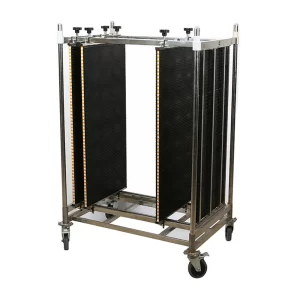
1. Use of Conductive Materials which ensures the discharge of static electricity. Variable Configurations: It permits the inclusion of various electronic parts such as PCB boards. 3. Durability: Engineered to survive the strenuous tasks of handling electronic equipment. 4. Modularity: It makes it possible to configure it as required in terms of storage. What is ESD Packing? In addition to the use of ESD racks, industries often use ESD packing to protect the devices during transportation and long-term storage. ESD packing involves packing devices using bags, containers, boxes, and other packing materials made from a special anti-static conductive, or static dissipative material, which helps prevent the build-up of static electricity on the devices. Importance of ESD Packing – Protection During Transportation: Helping in keeping sensitive devices safe from static discharge and damages. – Storage Solutions: Enabling electronics to function even after being stored for extended periods. – Environmental Protection: Preventive from dust, moisture, and electromagnetic interference. Common Questions: – How to select the right ESD rack? Ensure that you have taken into consideration the size and type of electronic parts that would be stored in it and the conditions of your facility. – Is it possible to use any ESD rack for every electronic part? Make sure to check if you have considered the requirements of your electronics so that you would properly use the ESD rack. – Are ESD systems expensive? Although the cost of purchasing and installing ESD systems might seem to be high, the fact that they can help prevent potential losses from ESD failures brings in enormous revenues. Conclusion: Controlling Electrostatic Discharge and its risks is vital for everyone who works in the electronics industry. Companies use ESD racks and ESD packing materials to ensure long-term use and functionality of their electronic machines. The use of appropriate systems helps minimize the risks of ESD.