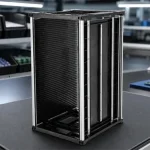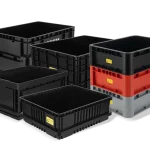


What causes static electricity? In an electronics workplace, the first answer is usually contact and separation: two materials meet, charge is transferred, and the surfaces move apart. The amount that remains depends on the materials and the route, so the useful control question is which step creates the charge and where that charge can go next.
This article focuses on causes and investigation. It does not assign a universal voltage, resistance value, or compliance result to a product from a label or photograph.
1. What causes static electricity: contact and separation
When two materials contact and separate, electrons can move from one surface to the other. The two materials can then carry opposite charge conditions. Repeated sliding, rubbing, insertion, removal, and packaging movement create repeated opportunities for the same mechanism.
The term triboelectric charging describes this contact-and-separation process. It does not mean that every material pair creates the same result, or that friction alone explains every event. Material pairing, surface condition, motion, and the available discharge path all matter.
2. Why the amount of charge changes
Several process variables can change how charge is generated or retained:
- Material pairing: different materials can exchange charge differently, and material chemistry or surface condition can change the contact behavior.
- Speed and motion: faster separation, repeated sliding, and frequent picking can create more charge-generation opportunities than a single stationary contact.
- Humidity and environment: ambient conditions affect how readily charge dissipates, but humidity is not a substitute for a defined ESD control method.
- Surface condition: material chemistry, moisture, coatings, or other surface conditions can change the electrical and mechanical interface.
Treat these as variables to document and test. Avoid turning one example into a universal specification for every bin, tray, bag, or workstation.
A charge can remain in place when the material does not provide a suitable path for equalization. In a production route, an item may be isolated on a surface or a package may move between areas. A normally controlled contact point can also change as the process condition changes. Identify the step and condition, then verify the control method for that configuration.
The practical effect is cumulative. A contact event may be repeated during picking or replenishment, and a route that is acceptable for one component or package may not be appropriate for another. Treat the handling sequence as the unit of review, then ask the supplier to identify the conditions under which the selected material and configuration were evaluated.
This route-based view is more useful than blaming a single material, because the charge event often involves several interfaces before the component reaches its final storage or work position.
3. Where charge builds up in electronics handling
A device can encounter contact and separation during receiving, kitting, storage, line-side replenishment, assembly, inspection, and shipping. A person may contact a work surface, a package may slide inside a tote, or a board may enter and leave a tray. Each step should be reviewed as part of the route rather than as an isolated product choice.
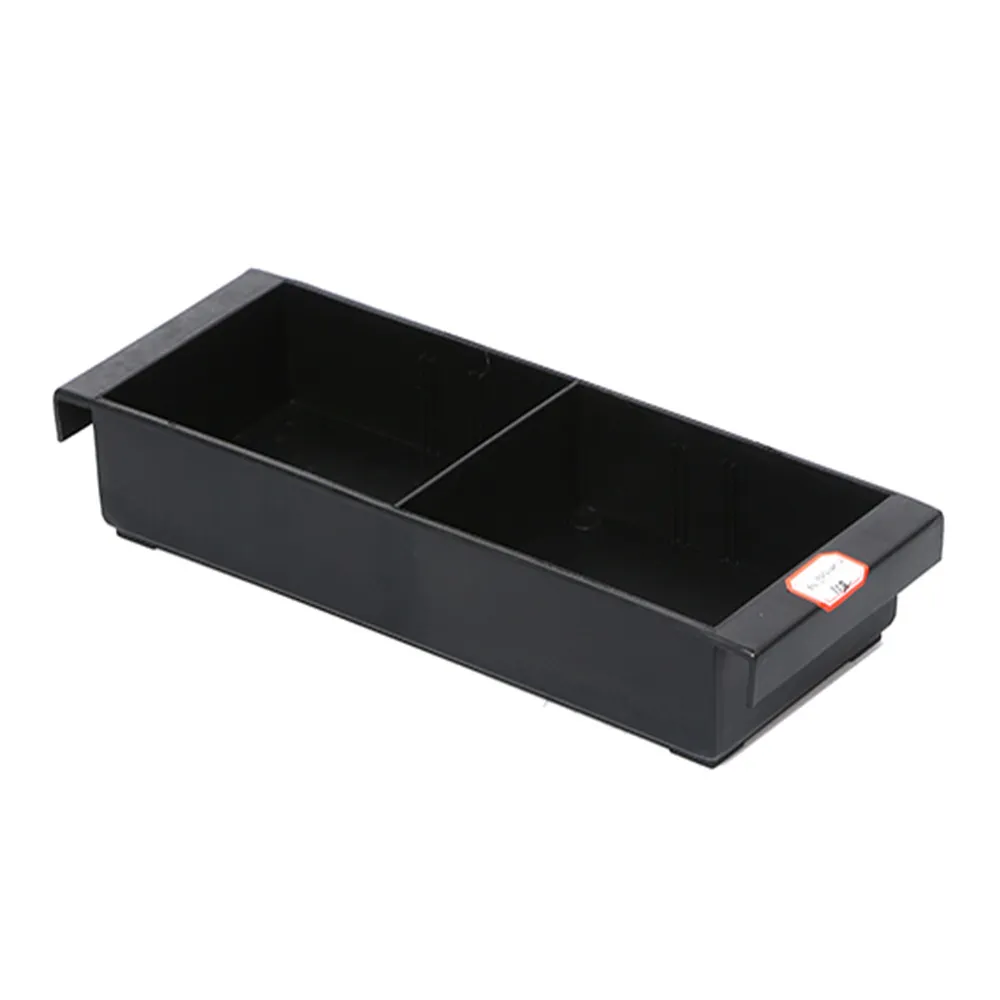
For procurement, the cause should appear in the request itself. “ESD-safe” is too broad to identify the route, material, or evidence required. A better request names the largest part envelope, the access pattern, the movement frequency, the package or tray format, and the documentation needed for the selected configuration.
For a repeatable process, record the route when it is first approved and revisit it when materials, packaging, humidity control, or movement steps change.
4. Turn the cause into a control request
A supplier-ready request should connect the static-charge cause to the process conditions:
- List the object and route: identify the component, package, tray, bin, cart, rack, or workstation involved.
- Describe contact and movement: record insertion, removal, sliding, stacking, picking frequency, and transfer points.
- Request the evidence: ask for material category, test method, configuration scope, and any conditions attached to the result.
- Check the full system: keep people, surfaces, grounding, packaging, storage, and movement in one control review.
The CH-ESD product range can be reviewed by route, while the ESD tray page gives a product-specific starting point for a PCB handling discussion. If the route requires a field reading, the ESD meters and monitors route is a separate measurement starting point. Confirm the actual configuration and evidence before treating it as a fit for your process.
References
- EOS/ESD Association: EOS/ESD Fundamentals Part 1 — contact and separation, triboelectric charging, and electronics risk.
- EOS/ESD Association: EOS/ESD Fundamentals Part 2 — ESD control principles and program context.
- NASA Spinoff: Voltage Sensors Monitor Harmful Static — static charge and electronics context.
- IEEE Technology Navigator: Static Electricity — electrostatic definition and practical consequences.