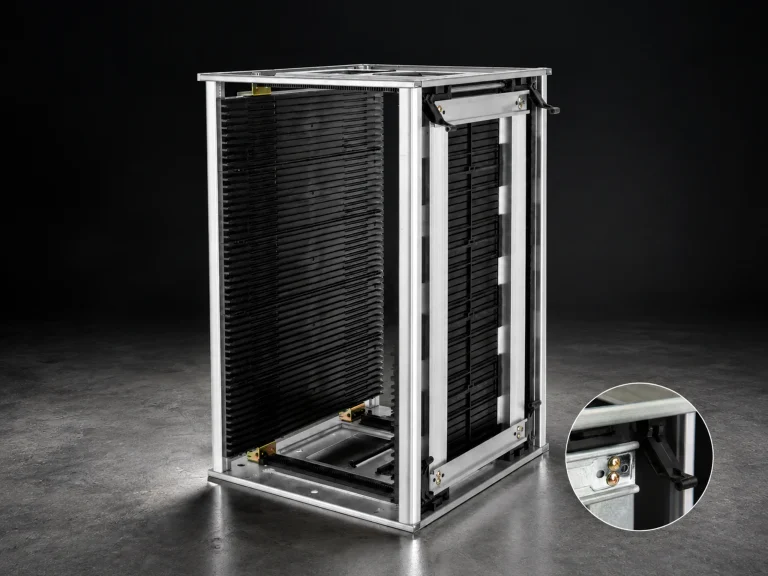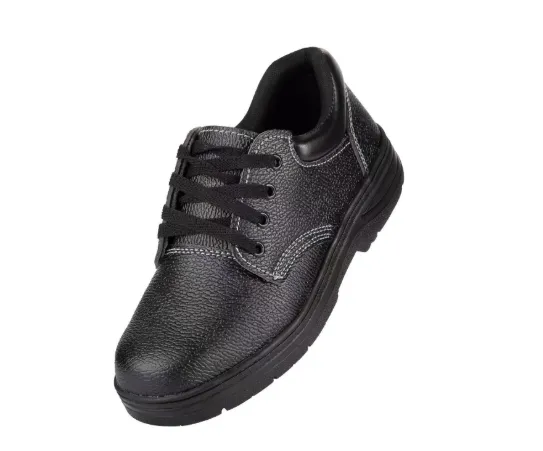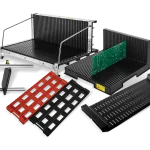


ESD safe divider boxes work when the compartment plan matches the part mix and the operator’s retrieval route. Choose the box by the largest part envelope, the required separation, and the access method. Divider count alone is a poor selection rule: too many compartments reduce usable space, while too few allow lots or part types to mix.
1. How to size esd safe divider boxes for the part mix
List the component families, largest envelope, quantity per compartment, package state, and whether parts are loose, bagged, boxed, or nested. Decide whether each compartment needs one SKU, one lot, or one process stage. Include the label size and the hand clearance needed to remove one part without disturbing the next compartment. This produces a usable compartment plan instead of a generic request for a “large ESD box.”
2. Choose divider layout and access together
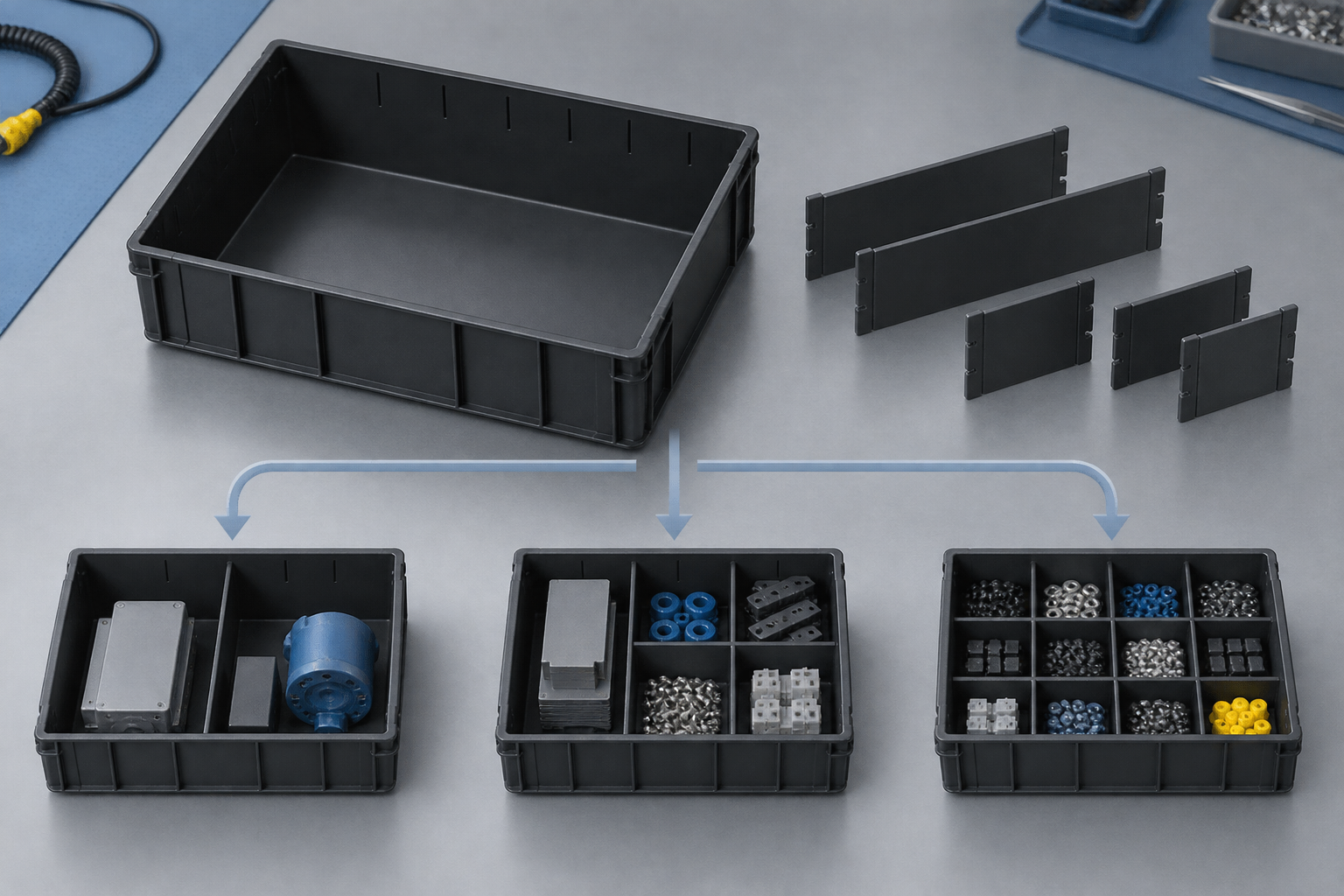
A fixed divider layout can be repeatable for a stable SKU family; an adjustable or removable divider can support changing mixes but needs a defined locking or retention method. Compare open access with a lidded format by the route: frequent picking favors visibility and reach, while movement or closed storage may require a cover. Confirm the lid, divider, handle, and stacking features for the selected model because each can change the clear compartment space.
3. Control labels, lots, and handling evidence
Place labels where they remain visible after boxes are stacked or moved. Define how empty compartments, obsolete labels, and mixed lots are handled. Ask for material identification and configuration-specific resistance evidence, including the test basis and whether the result applies with the chosen divider and lid. A product name that includes “ESD safe” is not a substitute for the evidence required by the site’s control program.
4. Send a complete divider-box inquiry
Include the part envelope, compartment sketch, quantity, access preference, lid or divider requirement, storage location, movement route, order quantity, and required documents. Request the outside and inside dimensions, usable compartment dimensions, divider tolerance, accessory compatibility, material information, and sample approval process. Start at the CH-ESD ESD Box family, then match the exact configuration to the component and route.
- Review the CH-ESD ESD Box family before selecting a divider format.
- For a lidded configuration, compare the ESD Box family and contact route against the access and movement requirement.
Validate the chosen box with a sample that represents the real lot and package condition. Ask an operator to pick, count, label, replenish, and move the box. Check whether fingers can reach the bottom of each compartment, whether a lid changes the retrieval motion, and whether the label remains readable after stacking. Record the accepted divider layout and the model or drawing revision so a later purchase does not replace a useful compartment plan with a visually similar but incompatible one.
When the part mix changes often, define a rule for changing dividers and labels. The rule should identify who approves a new layout, how empty compartments are marked, and when a box is cleaned or removed from service. This keeps the “flexible” format controlled instead of turning it into a mixed storage container that no longer supports traceability.
The same logic applies across ESD boxes, an ESD storage box, and larger ESD containers: define the part envelope and the retrieval motion before choosing a visible format. A box that looks spacious may still be difficult to pick when a divider, lid, or label reduces the usable opening.
Use the approved sample as the reference for later ESD boxes and replacement dividers. Keep the compartment plan, label convention, cleaning rule, and required material evidence together, especially when ESD containers move between receiving, kitting, and the line-side station.
References
- EOS/ESD Association: ESD Fundamentals, Part 3 — ESD control procedures and materials.
- ANSI/ESD S541-2026 — packaging and test-method context.
- ULINE: ESD Safe Divider Boxes — example of divider-box selection language in the current SERP.
- IEC 61340-5-1:2024 — ESD control-program requirements.