
ESD wipes have become a cornerstone in electronics manufacturing, cleanrooms, and laboratories that demand stringent static control during cleaning processes. These highly specialized wipes provide an ideal solution for preventing electrostatic discharge (ESD) damage to sensitive devices, outperforming regular cleaning wipers in both safety and efficiency. In this article, we’ll cover the definition, benefits, proper selection,including variants like cleanroom ESD wipes, Micro-Denier Knitted Wipers, Micro-Denier Woven Wipers, and Normal Polyester Clean Wipers. You’ll also gain practical insight into why standard wipers pose risks, how ESD wipes work, and frequently asked buyer questions.
What Are ESD Wipes?
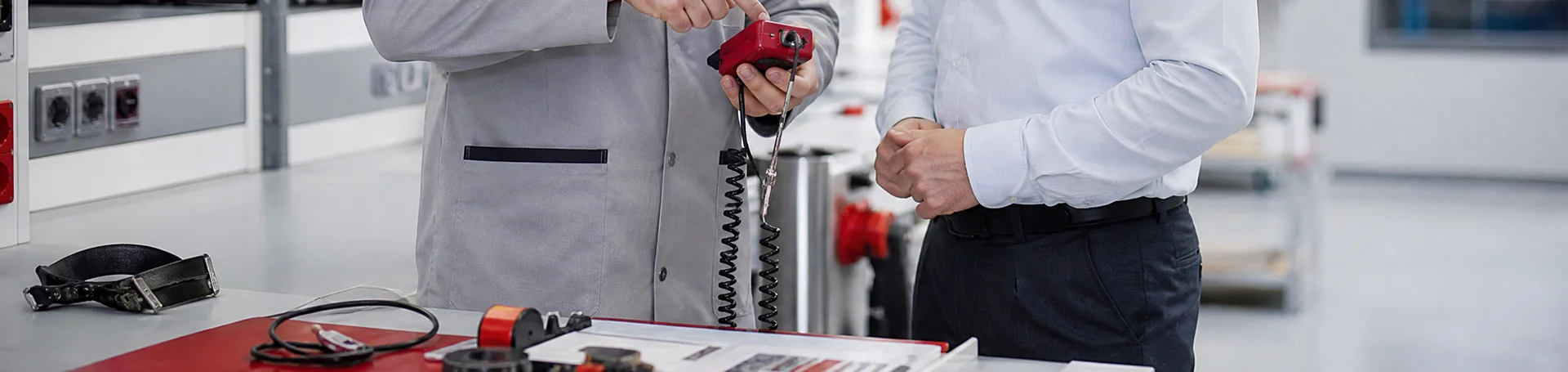
ESD wipes are engineered cleaning cloths designed to minimize static buildup during use. Crafted from materials such as polyester and microfiber, they often contain conductive fibers or anti-static treatments. This ensures that cleaning and maintenance tasks don’t introduce static electricity, which can disable or degrade sensitive electronic components. ESD wipes are indispensable in environments like semiconductor fabs, labs, electronics assembly lines, and repair benches. Their effectiveness is tested according to standards for particulate cleanliness and static dissipation.
The Importance of Static Control in Electronics
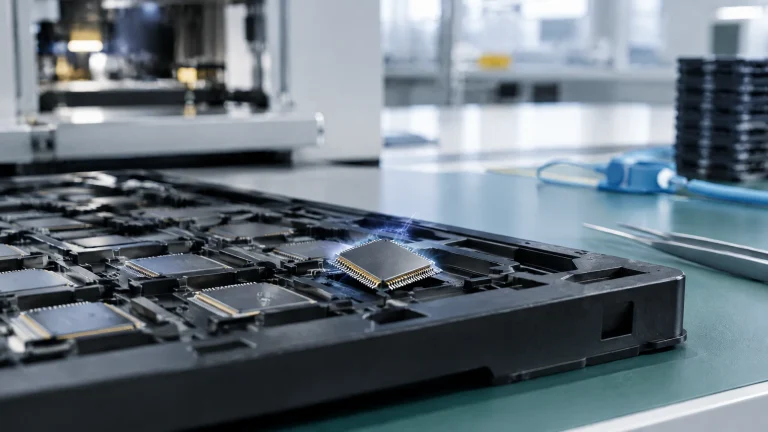
Electrostatic discharge is a silent threat to modern electronics. Even tiny, undetectable sparks can destroy microchips, sensors, and integrated circuits. Regular cleaning wipers may generate static, leaving devices vulnerable to latent defects and operational failures. In contrast, ESD wipes neutralize static through dissipative or conductive fibers, safeguarding customer investments and production quality. They are crucial for industries where reliability and high yields are essential, such as medical, aerospace, automotive, and telecommunications manufacturing.
How ESD Wipes Work
The secret behind ESD wipes lies in their fiber composition and manufacturing. Conductive yarns or anti-static coatings provide continual static neutralization, while cleanroom-grade laundering eliminates harmful particles and ionic residues. Micro-Denier Knitted and Woven Wipers feature ultra-fine fibers for enhanced softness and contaminant trapping, making them ideal for delicate surfaces. Cleanroom ESD wipes are packaged in double-sealed, ISO-rated facilities, ready for critical applications.
Comparing ESD Wipes to Regular Clean Wipers
The main issue with standard clean wipers is their inability to control static. Rubbing regular wipes on electronics generates static charges, which may discharge into sensitive chips or circuits. This can cause gate oxide breakdown and unpredictable memory faults. Moreover, standard wipes often shed fibers and leave chemical residues. In contrast, ESD wipes are specifically tested for static safety and particulate cleanliness, minimizing these risks and prolonging product life.
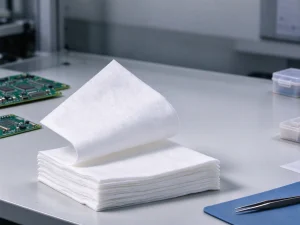
Types of ESD Wipes and Their Uses
There are several varieties tailored to different cleaning tasks:
Cleanroom ESD wipes – For semiconductor, biotech, and precision assembly, these wipes offer top-tier particulate control and static protection.
Micro-Denier Knitted Wiper – Ultra-fine, soft, and perfect for optics, displays, and microdevices.
Micro-Denier Woven Wiper – Strong and absorbent, used in heavy-duty cleaning for aerospace and automotive electronics.
Normal Polyester Clean Wiper – Suitable for less sensitive surfaces, but not recommended where ESD damage is a concern unless paired with additional ESD protection.
Some ESD wipes are pre-saturated with solvents for enhanced cleaning, while others are dry and ready for custom application.
The Risks of Using Regular Clean Wipers
One of the commonly observed questions is: Why does the use of ordinary wipes lead to destruction of electronic devices? The answer can be explained based on the materials involved in wipes as well as the processes involved. Ordinary wipes cannot help control static electricity since they do not have any special properties, no matter how clean they are.
Notably, the friction generated by the wipes over a surface may produce electric charge; therefore, even the tiniest amount of static electricity can cause malfunctioning of the electronics. In some cases, the application of ordinary wipes can lead to shedding of fibers, delivering of dirt, or giving rise to ionic residues that cause the electrical device to malfunction.
Frequently Asked Questions
Are ESD wipes reusable? Some are designed for reuse after proper cleaning; most are recommended for single-use in critical environments.
Can ESD wipes be used with solvents? Many are compatible with isopropyl alcohol or other approved solvents; check manufacturer guidance.
How do I store ESD wipes? Store wipes dry and in the original packaging where they won’t be exposed to heat, water, or sunlight. Use anti-static bags or containers to avoid any contamination.
Can I use ESD wipes for optical or glass surfaces? Indeed, Micro-denier ESD wipes are manufactured for careful cleaning of delicate surfaces and ensuring a cleaning that is scratch-, lint-, and static-free.
For additional queries or technical assistance, please contact your ESD wipe provider or manufacturing partner.
In summary, ESD wipes are vital for safe, contamination-free cleaning in electronics and high-tech industries. Their anti-static properties protect devices from silent but costly failures, while superior cleanliness ensures the highest product quality. By investing in the right ESD wipes and using them correctly, you safeguard components, processes, and reputation—all with a simple, effective tool.