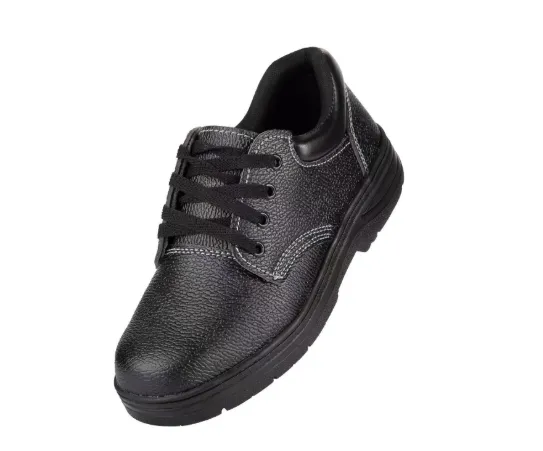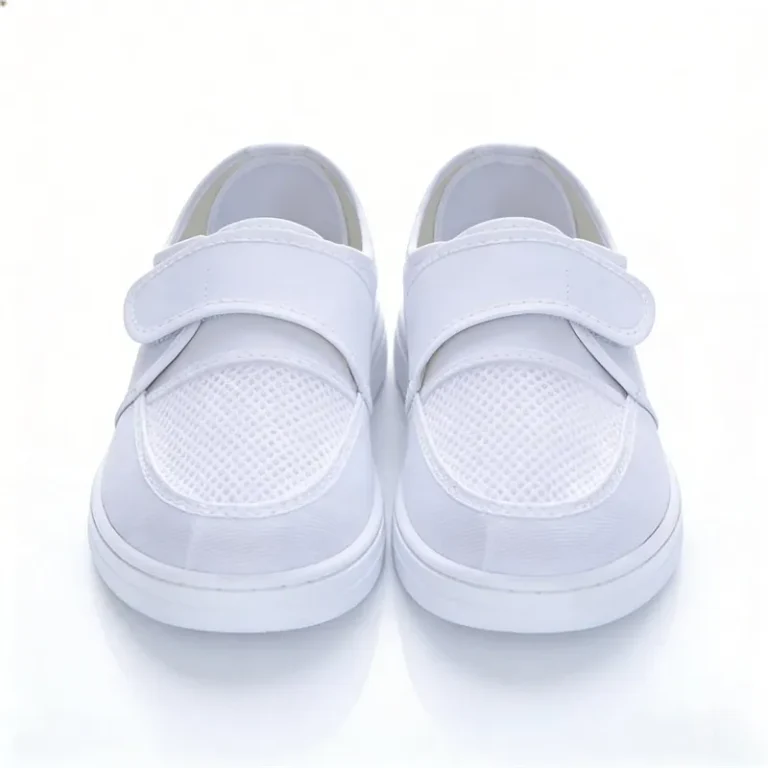

ESD shoes should be selected as part of a footwear-flooring-person system. The right question is not simply whether a shoe is labeled “ESD.” Confirm how the shoe contacts the floor, how the operator works and walks, what fit and protection the job requires, and how the complete system will be verified.
For an initial product route, review the CH-ESD ESD work footwear page. Use the page to identify a configuration to discuss, then request the model evidence that matches your floor, process, and workplace requirements.
1. How ESD Shoes Work With Flooring and the Person
The shoe does not control a person’s charge in isolation. The footwear, the floor, the person, and the contact conditions determine the path to ground. EOS/ESD Association guidance explains why a shoe and a floor that look acceptable when tested separately may behave differently when used together.
Start the selection with the actual area of use. Record the floor type, maintenance condition, expected footwear, workstations, walking route, and whether operators move between controlled and uncontrolled areas. If the footwear changes between rooms, treat each route as a separate verification question.
2. Match the shoe to the job and the workplace hazard
Fit is a process requirement. Record the shift length, standing and walking time, sizing method, toe-room needs, fastening preference, cleanroom or workshop conditions, and the surfaces the shoe will meet. A comfortable shoe that cannot be kept in the required area will not support a repeatable control process.
Workplace protection is a separate decision. OSHA provides general PPE selection context, while the employer must identify the applicable workplace hazards and protective-footwear criteria. An ESD label does not by itself prove that a shoe meets every protective-footwear requirement for a particular job.
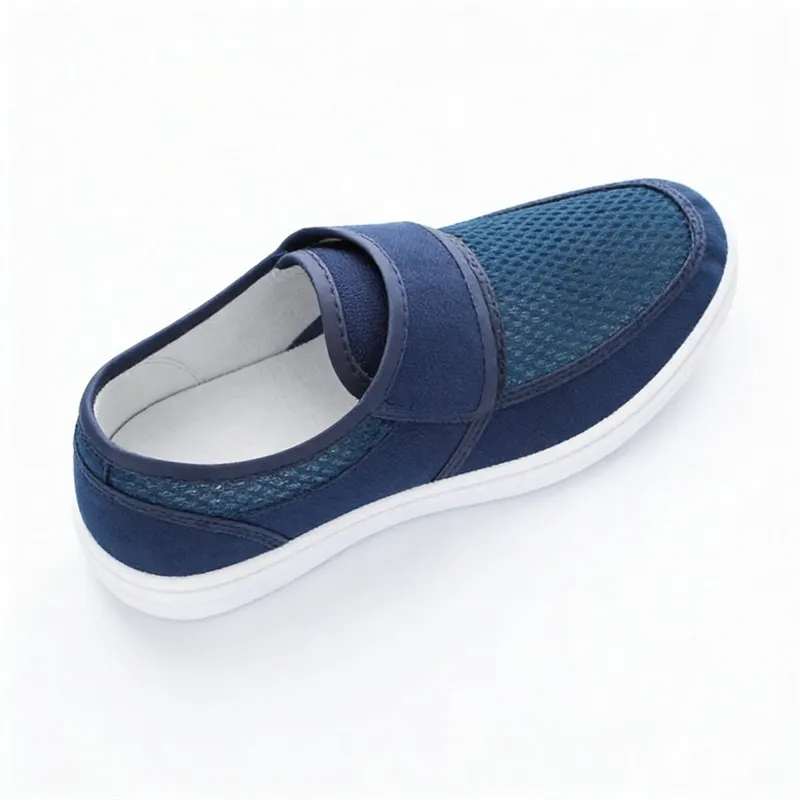
For electronics manufacturing footwear, make the route concrete. Note whether operators stand at benches, walk between storage and assembly, enter a cleanroom, or move through receiving and inspection. Static dissipative shoes may be suitable for one route and unsuitable for another if the floor, maintenance, or work instruction changes.
Ask how sizing, cleaning, replacement, and model identification are controlled. A footwear program should make it easy to identify the approved model and remove an unapproved substitute from the area. That operational detail belongs in the request because it determines whether the selected ESD shoes can be used consistently.
A practical trial should use the same floor, operator movement, and maintenance state expected after installation. Compare the supplier evidence with the site procedure, record any limits on cleaning or replacement, and define who can release the model for routine use. This keeps a footwear decision from becoming a one-time catalogue check.
3. Verify the footwear-flooring combination
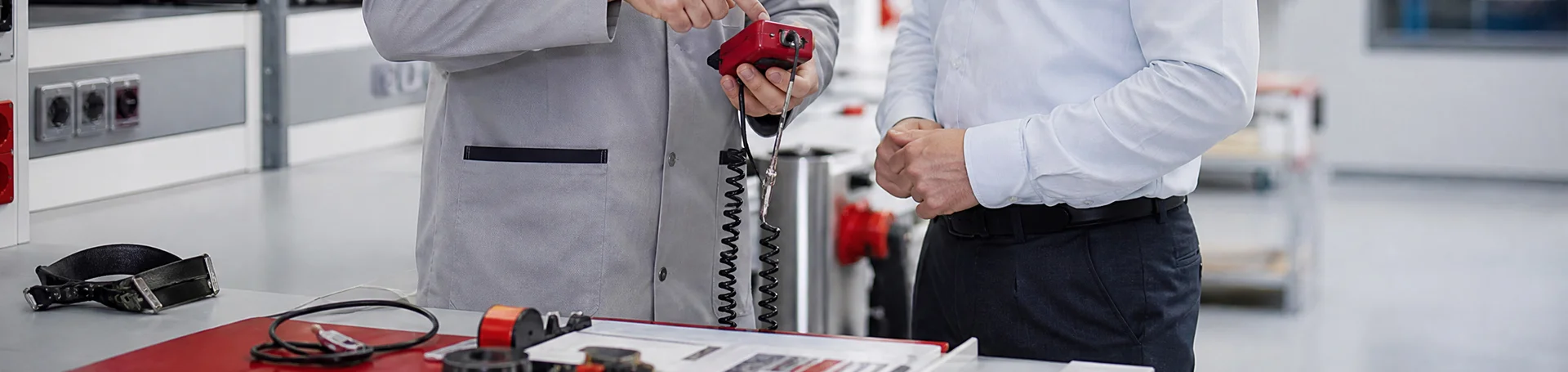
Ask the supplier which test method and limits apply to the proposed footwear, and define the floor used in the test. For ESD control, the relevant evidence may include person-to-ground resistance, walking body-voltage behavior, and the conditions attached to each result. Use the current standard and your site’s ESD control plan as the authority for acceptance.
Do not turn a published limit into a product guarantee. The complete system still needs a site check after installation, floor maintenance, footwear changes, or process changes. Record the footwear model, floor zone, test date, environmental conditions, operator or test setup, and result disposition.
The request should also state what would make the trial fail: an unsuitable floor, an unavailable size, a cleaning restriction, a protection gap, or missing test evidence. Agree on those decision points before the sample arrives so the buying team can compare alternatives using the same record.
4. Send a supplier-ready ESD shoe request
Include these fields in the first request:
- Work area: floor type, room or line, walking route, and whether the area is an EPA or another controlled zone.
- Fit: sizes, shift duration, standing or walking pattern, fastening preference, and required cleaning or gowning conditions.
- Protection: toe, sole, puncture, slip, or other workplace hazards identified by the employer’s assessment.
- Evidence: footwear-flooring test method, resistance or body-voltage report where applicable, model revision, and conditions.
A supplier can then recommend a configuration that fits the real route. Approve the shoe only after the model evidence, site floor, fit trial, and workplace protection requirements have been checked together.