

Anti-static packaging works when the package, the item, and the handling route are considered together. In this guide, anti static packaging means choosing that protection as part of the handling route. A box, bag, tray, or foam layer should answer a specific question: what must remain protected, from which exposure, during which movement, and with what evidence?
For a first comparison, review the ESD Box product family, then map the component envelope, contact points, access frequency, closure needs, and route from receiving to the line or shipment. The label “anti-static” is a starting point for an inquiry, not a substitute for the material and process evidence your application requires.
1. Define what the packaging must control
Start with the item and its exposure. Record whether the electronics are bare, bagged, boxed, nested, or already protected by a tray. Note which surfaces may contact the package, whether the item is sensitive during storage or only during movement, and whether operators will open the package inside an ESD protected area.
An ESD control program has both administrative and technical requirements, so packaging should be specified as part of the workflow rather than as an isolated color or product label. Ask which material role is needed for the route, how the package is identified, and what test basis applies to the finished configuration. Keep any resistance, shielding, or certification statement tied to an actual document.
2. Anti Static Packaging: Match the format to access and contact
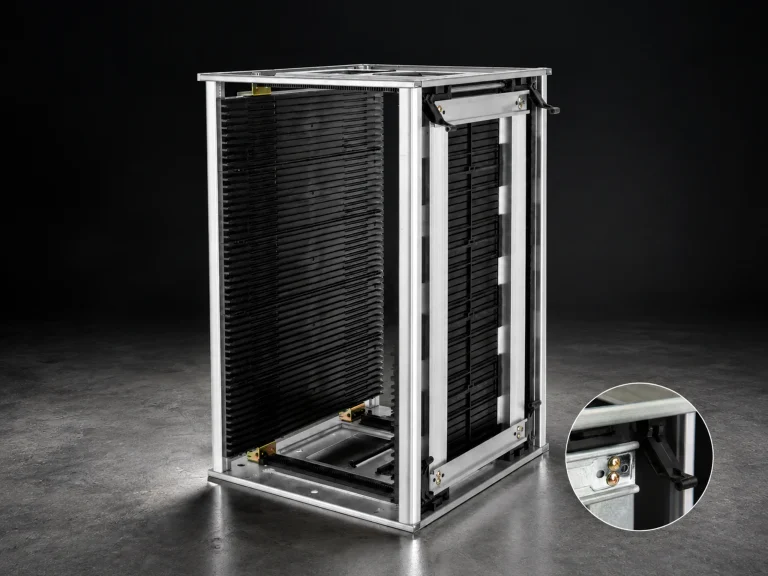
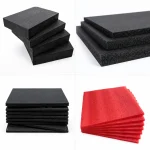
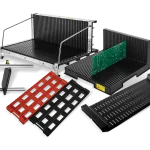
Choose the format by the normal operator action. A lidded box can suit a closed handoff or storage step. An open or front-access container may be easier for repeated picking. A tray can organize a defined footprint, while a bag may fit a single part or a short transport leg. Foam can separate surfaces when the package design calls for controlled contact, but the foam grade and use conditions still need confirmation.
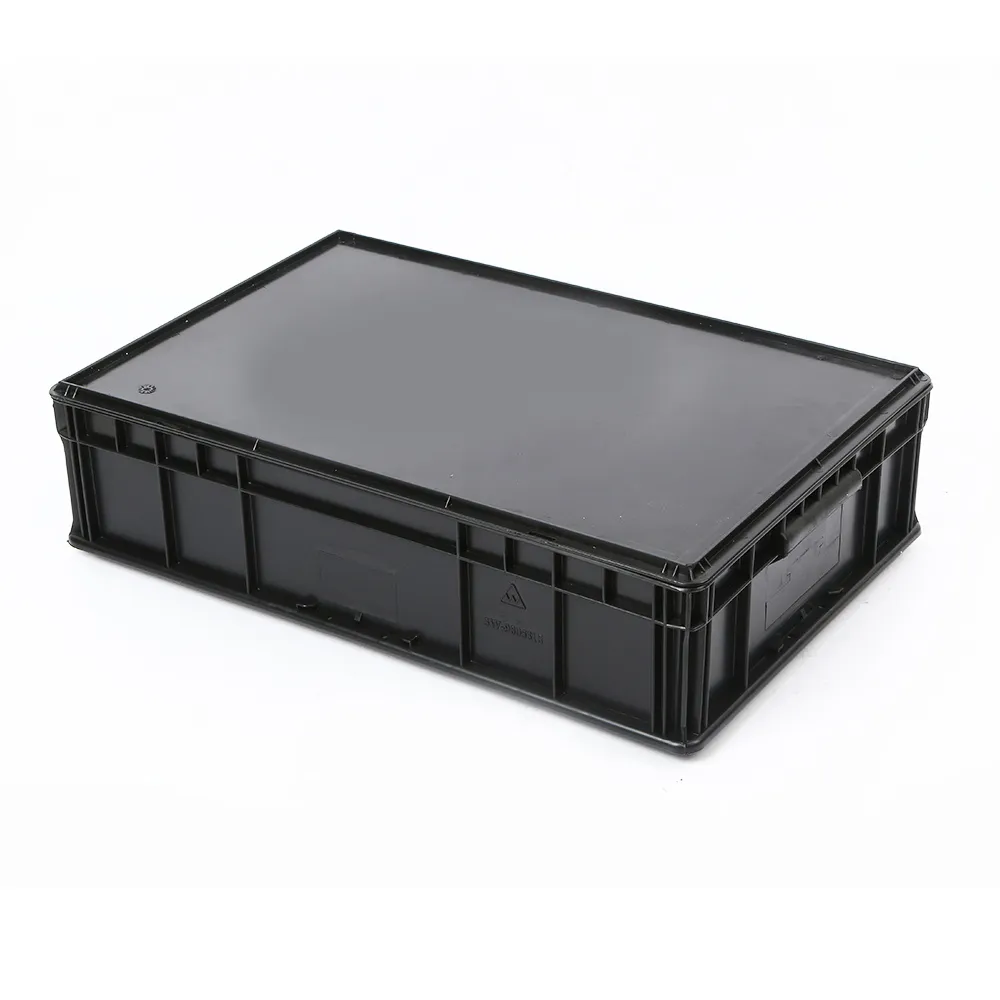
For a lidded-container inquiry, the official CH-ESD ESD box with lid is a useful product route. Use the page to identify the family, then request the drawing, material description, closure details, and applicable test evidence for the configuration you need.
3. Map movement, closure, and identification
Trace the package through receiving, storage, kitting, line-side use, and shipment. At each handoff, record whether the lid stays closed, whether the package is stacked or carried, how the part identity is read, and what prevents mixed lots or revisions. Packaging that works at a fixed shelf may be awkward on a cart; packaging that is convenient for picking may be too exposed for a closed transfer.
Set a simple identification rule: part number, revision, lot, quantity, and package status should be visible in the same location record. If the package is opened inside an ESD protected area, include that step in the work instruction and define what happens to the package after the part is removed.
4. Send a supplier-ready packaging request
Include these fields in the first request:
- Item: component family, largest envelope, quantity, and loose, bagged, boxed, or nested condition.
- Contact: surfaces that touch the package, separation needs, and whether foam, dividers, or a liner is required.
- Route: receiving, shelf, cart, line-side station, internal transfer, or shipment.
- Evidence: material classification, drawing revision, test method, conditions, and any customer or site requirement.
- Commercial: quantity by configuration, packaging for shipment, identification marks, and replacement expectations.
For electronics shipping protection, add the handoff conditions to the request: how long the item stays inside the package, whether the package is reopened, whether the package is nested inside another container, and what happens if the outer package is damaged. Anti-static packaging materials should be evaluated at the point where they touch the item and at the point where operators open, close, or transfer them.
A short trial can expose a mismatch before a full purchase. Load a representative part, perform the normal opening and movement steps, and record visibility, closure, handling, labeling, and lot separation. Keep the result as an operating note rather than turning one trial into a universal performance claim.
Only the supplier can confirm configuration-specific values. A complete request lets the supplier recommend a workable package and gives your team a record of why the selected anti-static packaging fits the actual route.