

A laboratory can receive the correct electronics and still test the wrong configuration. A gateway running idle with no external cables behaves differently from the same gateway streaming data through its installed ports. EMC testing evaluates electromagnetic compatibility under defined conditions. Before shipping a sample, agree which configuration the laboratory should exercise and what evidence will show that it is operating as intended.
EMC testing asks two different questions
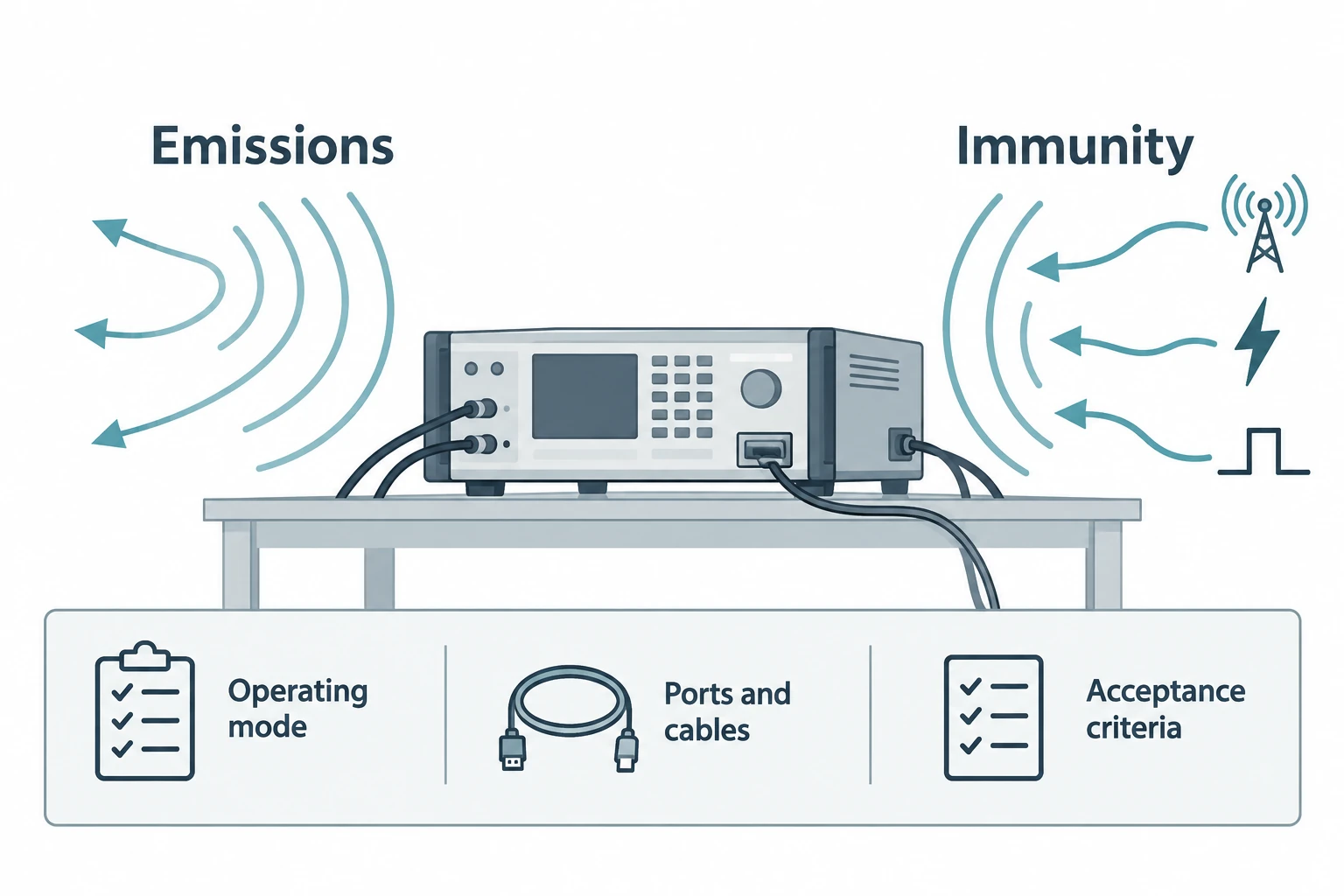
Emissions testing asks what disturbance the equipment sends out. Immunity testing asks how it behaves when a specified disturbance is applied. For example, an emissions record can describe a signal associated with a busy interface; an immunity observation can describe whether that interface continued transferring data. A favourable finding on one question does not answer the other.
Conducted and radiated describe paths rather than pass or fail decisions. Disturbance can travel along interconnections or couple through fields. Identify the ports, external cables, power arrangement and intended accessories so the lab can decide which methods apply. A product photograph rarely captures these details.
What a precompliance result is good for
A development measurement can reveal which operating mode produces a troublesome emission and whether a design revision helped. Rohde & Schwarz describes the difference between emissions precompliance measurements and formal testing. Keep the measurement setup and limitations with the result. An internal plot without the configuration, method and conditions cannot stand in for a formal report.
If a board revision changed between the development measurement and shipment, say so. The lab may be able to use the earlier finding to prioritize investigation while still evaluating the actual sample. Lab staff should determine the applicable programme with the responsible product team; a generic list of tests is not a product approval.
A gateway handoff that survives unpacking
Imagine a gateway supplied with two interchangeable power accessories and an optional network peripheral. An engineering team selects one configuration for the first lab run. Its handoff identifies the exact accessory and cable, the peripheral firmware, the traffic file to replay and how to start logging. It also states that the second accessory has not yet been assessed. Without that last line, someone reading the report could mistakenly extend the result to both variants.
| Item | Useful entry |
|---|---|
| Agreed programme | Standard and edition, applicable methods and acceptance criteria; mark unresolved items for the lab and product team |
| Operating mode | Continuous data transfer, with file and startup sequence identified |
| Observable behaviour | Expected message sequence, alarm indications and how loss or recovery is recorded |
| Sample identity | Hardware and software revisions, accessory model and cable configuration |
| Unassessed variant | Alternate power accessory; applicability to be agreed separately |
Agree how the lab will recognize a fault
A lit power LED may coexist with lost data. Decide what function matters to the product user and give the laboratory a practical way to observe it. For the gateway, an event log and an expected message count may be more useful than a photo of the display. State who can interpret ambiguous events and whether recovery needs operator intervention.
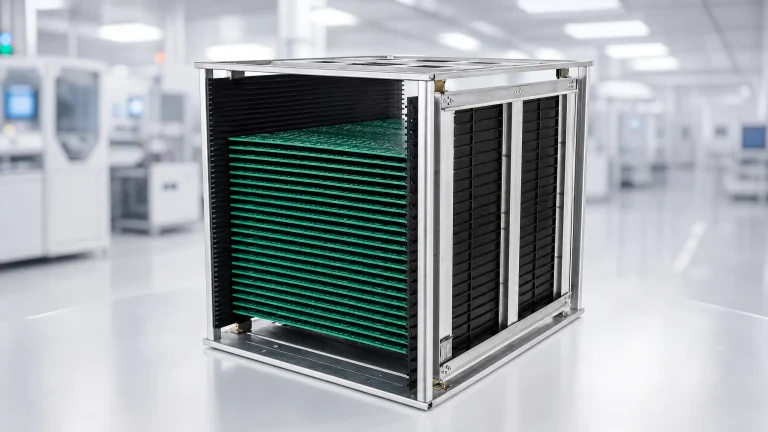
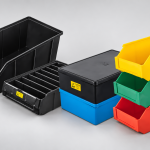
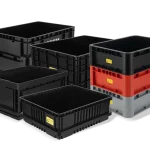
Package loose boards for the trip using suitable protective packaging, such as an appropriate ESD storage box. Label each sample so the test report can be traced back to the shipped configuration. The most useful document to receive back identifies precisely what ran, what was observed and which variants remain open.