
How long will Anti-static containers last? The answer to this question is highly relevant in sectors that depend on safe storage and transport of delicate electronic items. Understanding the lifespan and the aging & wear characteristics of such containers can assist in keeping the necessary level of protection, which will help minimize risks.
Materials and Construction: The Foundation of Anti-Static Container Durability
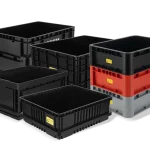
The lifespan of anti-static containers is mostly determined by the material and the quality of its production. The material for most anti-static containers includes static-dissipative and conductive plastics such as polyethylene or polypropylene, which are mixed with carbon black or some other conductive substances. The thickness, density, and uniformity of the material influence how well the container can withstand damages and keep its anti-static features.
High-quality ESD bins usually have reinforced corners, ribbing, and UV stabilizers to withstand great strength and exposure to stronger levels of light. On the other hand, containers of lower quality will often break down faster, particularly in harsh climates. Be sure to buy from reliable sources that provide reliable product specifications and warranty information.
Understanding Service Life: How Long Do Anti-Static Containers Last?
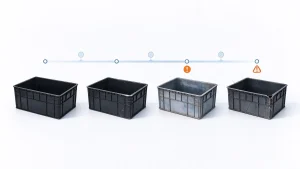
The service life of these anti-static containers depends on the specific uses and the environment in which they are used. Usually, the majority of ESD-safe containers can remain usable for anywhere between 5 to 10 years, or even more if taken care of. But in manufacturing environments where the containers are often moved, piled, or cleaned, the containers may become worn out very rapidly.
Key factors impacting anti-static container longevity include:
1. Exposure to mechanical stress: Drops, impacts, and overloading can cause cracks and breaks.
2.Chemical contact: Cleaning fluids, solvents, or exposure to caustic substances can reduce the anti-static features.
3.UV Radiation: Prolonged exposure to sunlight may lead to plastics fading, becoming brittle, or losing conductivity.
4.Temperature fluctuations: Extreme hot or cold weather can have a distorting effect on materials and influence their static dissipative properties.
5.Usage frequency: Daily use versus occasional storage affects wear rates and effective lifespan.
Regular checking and proper handling are the keys to achieving the maximum life-span of equipment. Once containers are physically damaged or lose their anti-static properties, it is essential to replace them promptly in order to avoid possible ESD hazards.
Aging and Wear: Identifying Degradation in Anti-Static Containers
With the passage of time, aging and wear can be seen through an anti-static bin. Below are some of the most prominent indications of aging and wear:
1. Decrease in surface conductivity: The effectiveness of containers in dissipating charges drops as the static-dissipative additives migrate away from the surface. This situation can worsen if cleaning or abrasion occurs frequently, or if plastic is exposed to chemicals.
2. Crazing, cracking and becoming brittle: Aging plastics can suffer damage such as formation of micro-cracks or roughness, weakening the structure of the plastic, and thus its antistatic properties.
3. Fading or discoloration: In most cases, this is a cosmetic issue but it could indicate degradation of plastic or occurrence of other damages.
4. Warping and deformation: Containers may lose their shape due to high temperature or heavy loads which may cause problems with stacking or lid fitting.
5. Buildup: Dust or other substances can adhere to plastic and thus diminish its antistatic abilities.
Regular visual checks and conductivity testing can be helpful in discovering signs of aging or deterioration. If such signs are spotted, it’s necessary to assess whether the container still conforms to ESD requirements.
To test the effectiveness of your anti-static container, you need to follow specific practices.
One of the crucial aspects of managing electrostatic discharge safety is making sure the static dissipative tote containers remain effective. You can perform the tests listed below to ensure a desired level of functioning.
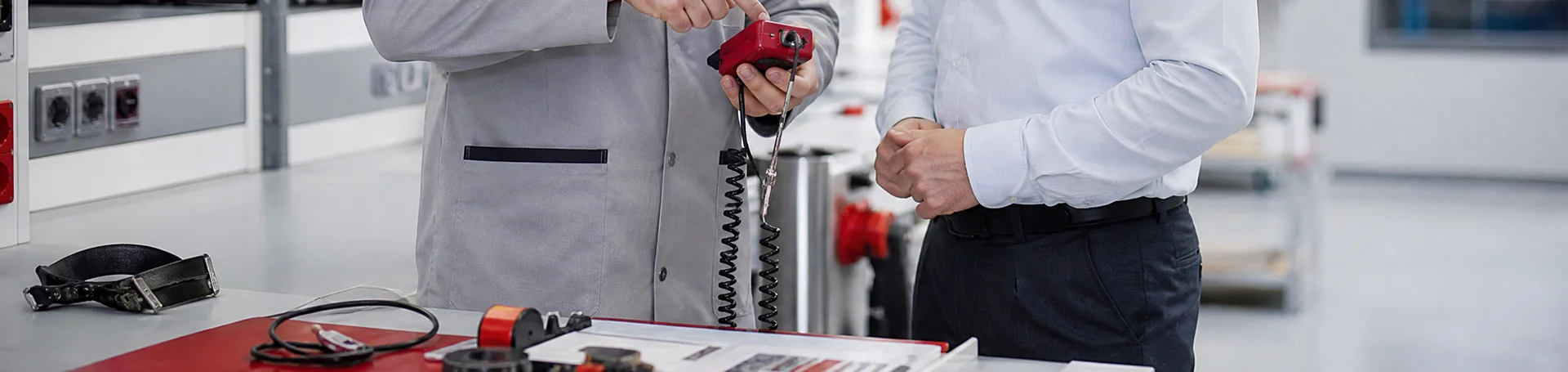
Surface Resistivity Measurement: An easy way to gauge if the resistance of a material falls in the correct range would be to use a surface resistance meter for measurement (usually at 106 to 1011 Ohms per square). Depending upon the instructions by the manufacturer for positioning the probes and calibrating the equipment, the readings should be compared against baseline values.
ESD Protection Simulation: In order to effectively assess the product, test its performance under foreseeable operating conditions, such as placing sensitive devices into the container and looking for any traces of electrostatic charge accumulation or discharge. If at all possible, confirm that the product works properly with an electrostatic discharge event detector.
Regular Testing Protocols: Include anti-static container evaluation in regular ESD checks, recording collected data over time. Record changes in the functionality of the equipment and point the containers which are getting old for exchange.
Keep in mind that even if a container looks intact, loss of conductive additives could jeopardize ESD protection without any visible signs. The only way to guarantee safety is with formal testing.
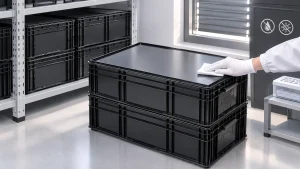
Maintenance Tips: Extending the Service Life of Anti-Static Containers
Maintenance on a consistent basis increases the longevity of containers and ensures functional ESD protection. Some of the key methods include the following:
1. Gentle cleaning: Use gentle, non-acidic cleaning agents. Steer clear from harsh solvents or abrasive materials that can damage the conductive surfaces.
2. Avoid sunlight exposure: Store containers in places that are far from windows or outside places to prevent damage caused by UV rays.
3. Follow temperature recommendation: Check the manufacturer’s specifications for the acceptable temperature limits.
4. Regular inspection: Regularly inspect for physical damage, buildup of residues, discoloration. Ensure constant testing for conductivity.
5. Inventory rotation: The stock should be rotated regularly to avoid uneven wear.
6. Stacking: Always stack in the recommended method to avoid damages.
Retaining anti-static storage units not only protects electronic properties, but also enhances inventory efficiency and productivity of operations.
In conclusion, the longevity of anti-static containers is impacted by various factors, such as the type of material used in the containers, the way they are handled, the environment in which they are stored, and the maintenance procedures in place. The knowledge of the lifespan of containers, awareness of the signs of deterioration and damage, and the opportunity to carry out frequent tests give managers the possibility to make the right decisions, protect their assets from severe damage, and keep their ESD protection at a high level. It is possible to achieve the optimal profitability of investment spending on containers if one uses best practices and remains aware of the innovations in the industry.