
An IP44 marking on a socket cover raises a practical question: does the rating apply while the cover is closed, while a matching plug is connected, or in both states? The digits describe protection against objects and splashing water. They do not identify which assembly the supplier tested. For a connector that changes shape in use, that missing detail can decide whether it suits the job.
Read both digits of IP44
The first 4 describes protection against solid foreign objects of 1 mm diameter and larger. It is not a dust-tight designation. The second 4 describes protection against water splashing against the enclosure from any direction under the applicable test conditions. It is not a water-jet or immersion rating. The two digits happen to be identical; they describe different exposures.
A drawing may show several individually rated parts. Read its notes before transferring a component rating to a finished unit. A cover listed for an empty accessory and a sealed connection incorporating a mating part are different configurations. Ask for the document that names the configuration you will actually buy.
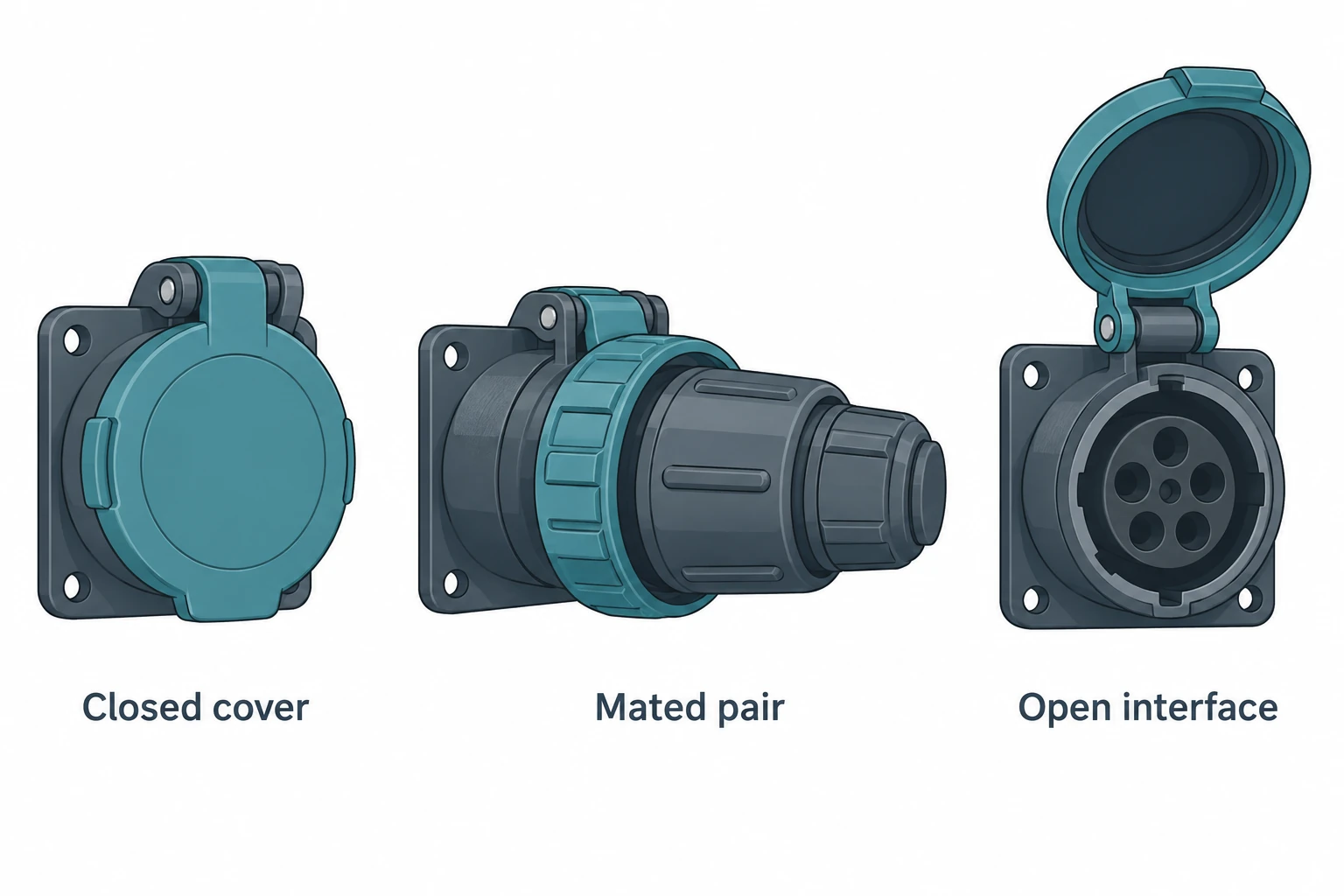
Three states on one purchase order
Imagine a portable instrument cart with a covered accessory connector. The cart is stored with the cover shut, operated with a plug connected and sometimes left unplugged between jobs. The buyer expects incidental splash during normal cleaning. The catalogue lists IP44 beside a photograph of the closed cover. That entry alone cannot resolve the other two states.
| State | Evidence needed | Decision while evidence is missing |
|---|---|---|
| Cover shut | Model, cover and closed-state rating | Retain as a candidate for closed storage |
| Plug connected | Specified mating part and assembled rating | Defer approval until the supplier documents the IP44 rating for the specified plug and connector when mated. |
| Unplugged and uncovered | Explicit claim for the exposed condition | Do not credit it with the closed-cover claim |
Send the supplier a marked-up photo or part list identifying both halves. A reply saying “our range is IP44” leaves the important question open. A model-specific drawing that states the rated state and identifies the mate gives the purchaser something traceable to put on the order.
Match the cleaning method before releasing the part
A sheltered location can still see a directed hose during cleaning. Conversely, a customer may only need incidental splash with the cover closed. Record the actual exposure and its timing rather than choosing by indoor or outdoor location alone. Detergent compatibility, corrosion and prolonged weathering are separate questions; a splash designation does not settle them.
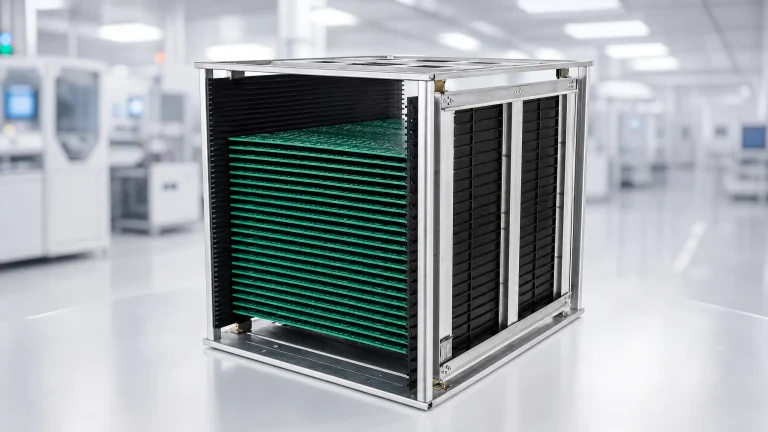
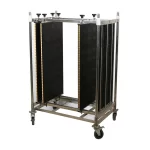
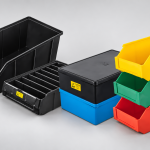
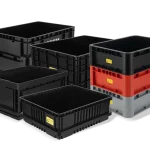
For loose electronics awaiting assembly, a suitable ESD storage box addresses a separate handling requirement. Do not use its static-control description to fill a gap in the connector documentation. When the order is released, record the model, mate, rated state, permitted cleaning method and source document together. A later substitution can then be evaluated against the same conditions.