
An ESD wrist strap connects a person to the grounding system provided at a static-controlled workstation. Its job is to limit differences in electrical potential while the person handles sensitive parts. A band around a wrist cannot do this on its own: the contact with the wearer, cord and workstation connection form a system. The example below concerns handling unpowered components at a prepared bench.
What makes an ESD wrist strap work?
Picture an operator sitting down to inspect an unpackaged circuit board. The board is on a controlled work surface, but the operator can bring a charge to the bench. The conductive inner surface of a properly fitted band contacts the skin. The cord connects the band to the point designated for personnel grounding. The workstation’s grounding arrangement brings these elements to a common reference.
A loose cuff over a sleeve may look correct from across a room. It does not establish the intended skin contact. A coiled cord with a matching-looking snap is another possible mismatch: a single-wire band and a monitoring system designed for a different connection are not interchangeable simply because the pieces fit. Identify the band, cord and monitor configuration specified for the station.
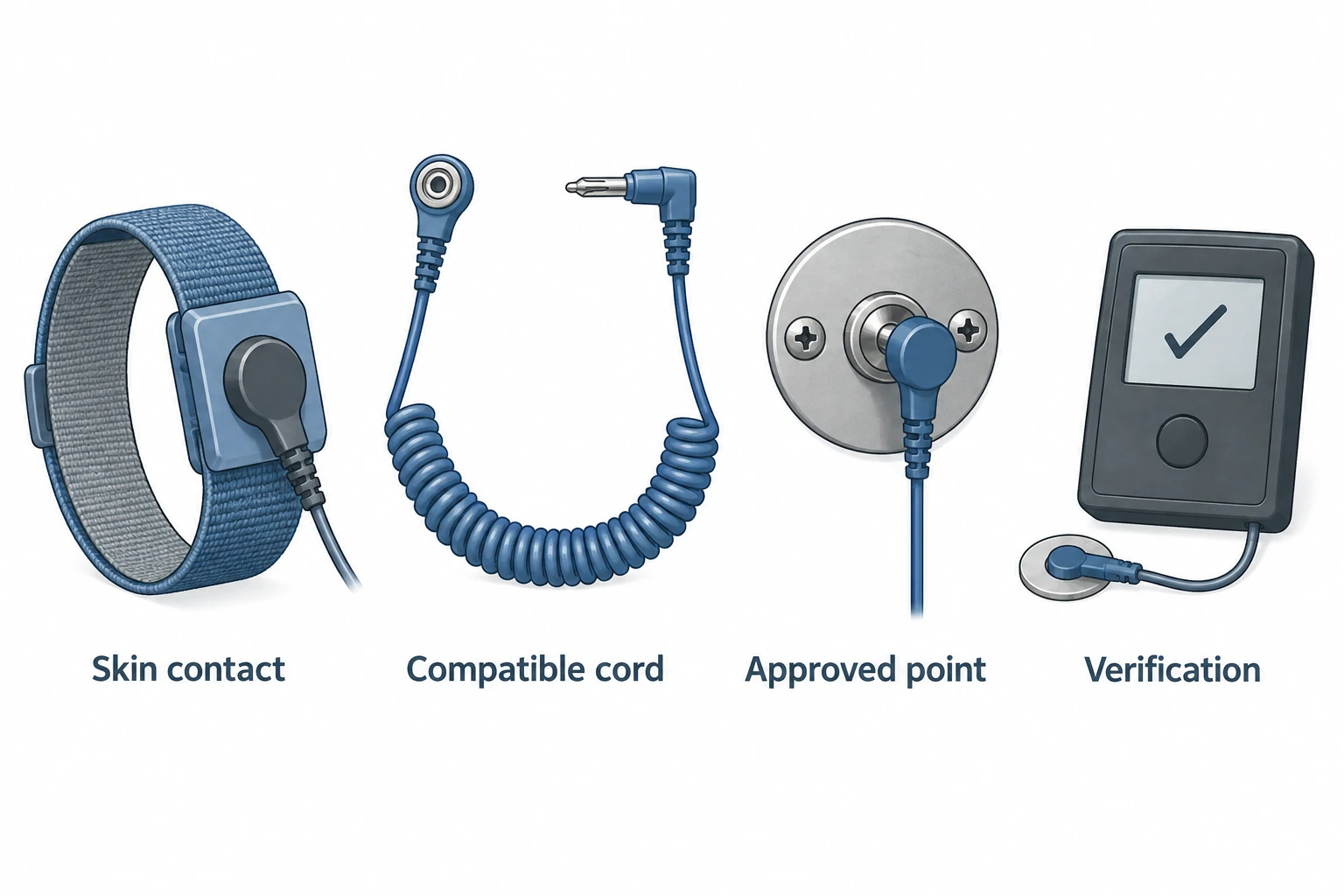
Fit and station readiness
At a new station, locate the approved connection and the posted verification procedure before unpacking parts. Do not improvise a connection to a receptacle, appliance or convenient piece of metal. If the designated point cannot be identified, leave the board in protective packaging and ask the person responsible for the workstation.
The band should make consistent contact in the position the operator actually uses. Consider an inspection task that involves reaching for a magnifier. A setup that looks tidy while the operator sits still but pulls the snap loose during that reach is unsuitable. Adjust the workstation arrangement by the facility procedure rather than working around a loose connection.
What does a wrist strap tester check?
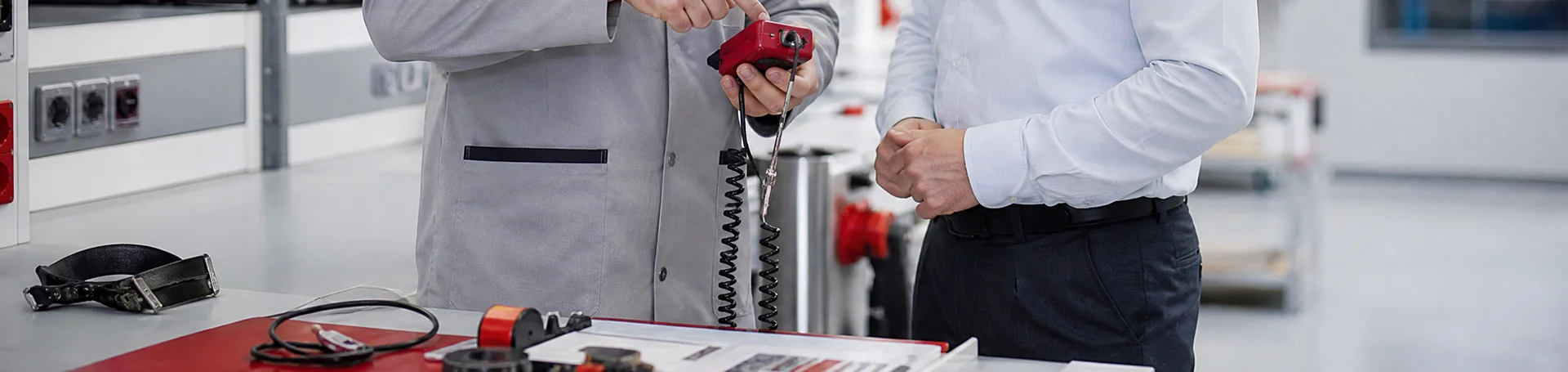
A personnel tester used according to its instructions checks the worn assembly with the operator in the test path. Record the result against the site’s required limits and frequency. A successful test of one cord yesterday does not establish that today’s wearer has good contact with a different band. A continuous monitor provides a different kind of evidence: it monitors its specified configuration during use. Follow the instructions and response criteria for that model.
| Observation | What it tells the operator | What to do |
|---|---|---|
| A worn assembly passes the required check | The tested combination met that check at that time | Use it under the site’s normal controls |
| The tester reports a failure | The expected result was not obtained; the cause is not yet known | Keep sensitive parts protected and follow the failure procedure |
| A station monitor alarms during handling | The monitored condition has changed | Follow the station alarm procedure before continuing |
A failed check at shift change
Suppose the outgoing operator passed and the incoming operator fails using the same workstation. The earlier result is useful history, but it cannot release the incoming operator. Document which band and cord were used, which tester indicated failure and whether the failing combination was worn as directed. A trained person can then distinguish a fit problem from an accessory or test-equipment issue using the site’s process.
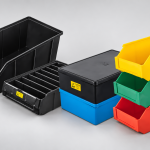
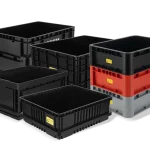
Do not record a pass merely because the alarm stops after movement. Complete the prescribed verification and record any replacement before resuming work. While the station is on hold, a suitable ESD storage box can be part of the component-handling route. A container does not verify personnel grounding.
The safety boundary
A wrist strap for static control is not protection against electric shock. Its purpose is to protect sensitive devices; it does not make work on energized equipment safe. The Desco drawing below is an example of an actual band and cord with manufacturer-specific instructions. Use documentation for the hardware at your bench rather than borrowing that model’s details for a different system.