

What is static electricity? The term describes an imbalance of electric charge that can remain on a material until the charge finds a path to move. For an electronics team, the useful question is not only what static electricity means, but where charge is created, where it can accumulate, and how an uncontrolled discharge could reach an ESD-sensitive device.
The distinction matters because static electricity is a charge condition, while an electrostatic discharge is the rapid transfer of that charge. The same handling route can create charge during contact and separation, then create a separate risk when the charged item, person, package, or device approaches a different electrical potential.
1. What is static electricity in an electronics workflow?
Static electricity is often described as charge at rest. It can exist on a surface or within a material when the available path for charge movement is limited. This is different from current electricity, where charge moves through a conductive path as part of a circuit.
That definition does not require a visible spark. A discharge can be too small for a person to notice and still be relevant to a sensitive component. The practical boundary is the device, material, and handling condition being controlled, not whether an operator felt a shock.
2. How static charge is created and released
A common charge-generation mechanism is contact and separation between materials. When two surfaces meet and then separate, electrons can be transferred between them. This is often called triboelectric charging. The result depends on the material pairing and the process conditions; rubbing is one example, but repeated sliding, insertion, removal, and handling can also create repeated contact and separation.
Material chemistry, surface work function, separation speed, contact area, and humidity can affect how much charge is created or retained. These factors should be treated as investigation points rather than as a universal formula. A supplier or process engineer still needs the actual material, route, and test basis before assigning a performance value.
3. Why electronics teams control static electricity
An ESD event can alter or damage a sensitive electronic device. Some failures are immediate; others may remain latent until the device is used later. That is why static control belongs across receiving, storage, line-side handling, assembly, testing, shipping, and field service instead of being treated as a single workstation accessory.
Control also does not mean that every charge-generation event disappears. A better objective is to reduce uncontrolled accumulation, provide an appropriate path for dissipation, and keep sensitive items inside a defined handling and packaging system. The relevant materials and grounding method depend on the complete workflow.
A useful review follows the route instead of asking only whether a product is called antistatic. Record where the component is first contacted, whether the package or container is reused, how often operators pick parts, and whether the route includes a cart, rack, or shipping step. Those details determine which materials and verification records are relevant.
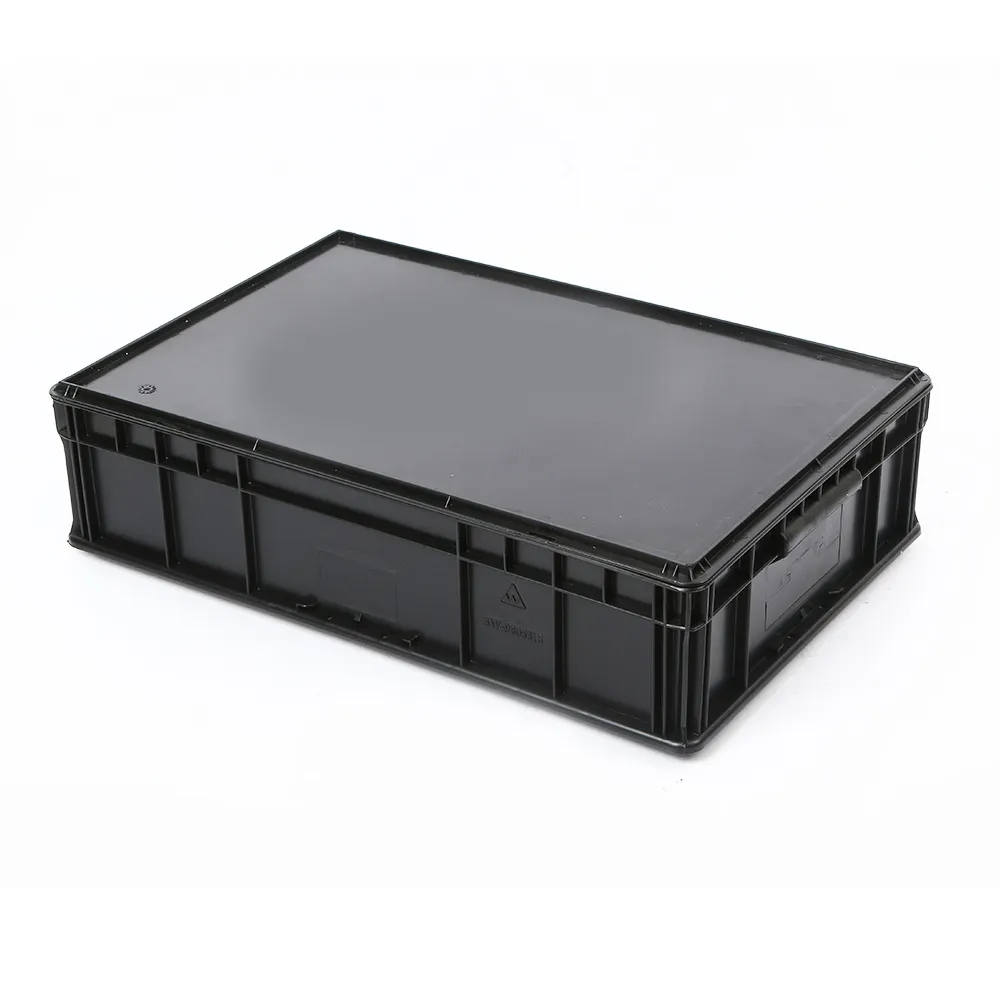
The same principle applies to packaging selection. A container may reduce handling changes and keep parts organized, but the container name alone does not answer the electrical question. Review the material category, the contact surfaces, the closure or divider arrangement, the route to ground where relevant, and the evidence attached to the offered configuration.
That evidence also makes later troubleshooting easier: the team can compare the original route, the selected configuration, and the conditions under which the result was obtained.
4. What to verify before choosing an ESD route
- Identify the charge source: record the people, surfaces, packages, separators, tools, and movement steps that contact the device.
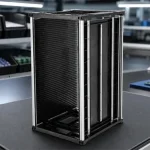
- Define the device route: describe whether parts move through an ESD box, tray, cart, rack, workstation, or shipping package.
- Separate material claims from labels: conductive and dissipative describe different material categories; neither label alone establishes fit. Ask for the material category, test basis, configuration scope, and conditions behind any ESD statement.
- Confirm the measurement need: if the decision depends on a field or surface reading, specify the measurement location, instrument, method, and acceptance basis.
You can review the available CH-ESD product routes by handling task, then narrow the request to the relevant ESD storage box configuration. If the decision depends on a field reading, review the ESD meters and monitors route as a measurement starting point. The product page helps identify a configuration to review; it does not replace the evidence request for your own device, process, and ESD control program.
References
- EOS/ESD Association: EOS/ESD Fundamentals Part 1 — static charge, triboelectric charging, ESD damage, and material categories.
- EOS/ESD Association: EOS/ESD Fundamentals Part 2 — principles of an ESD control program.
- IEEE Technology Navigator: Static Electricity — general electrostatic definition and practical context.