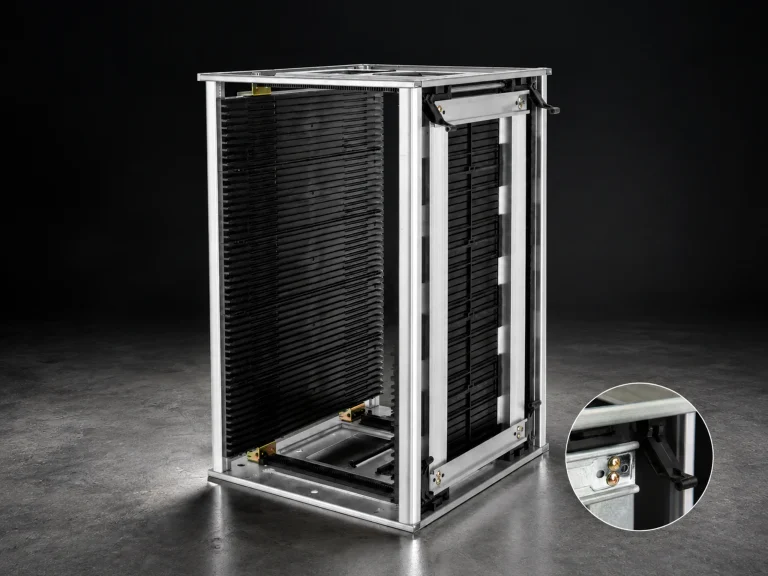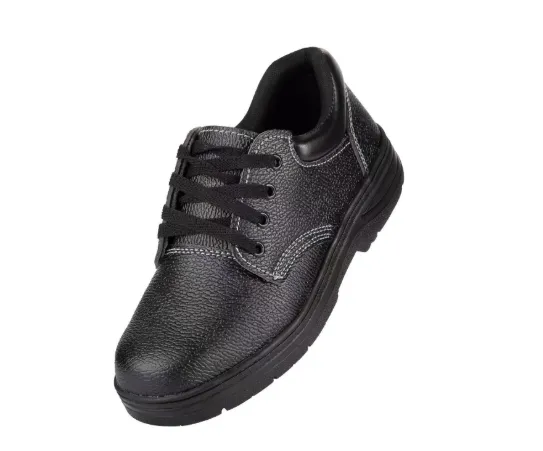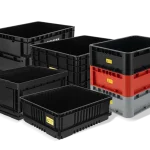


An ESD container request becomes useful when it describes the handling problem in measurable terms. “ESD box” can mean a lidded tote, a conductive industrial crate, a tray, or a bin. Each format changes access, closure, identification, and movement. A supplier cannot confirm the right configuration from a product label alone.
Use the CH-ESD ESD Box category to identify the family, then send a compact specification covering contents, geometry, closure, route, ESD evidence, and revision control. This creates a request that can be compared across samples and later orders.
1. Define what the ESD container must hold
Start with the largest component, package, or subassembly. Record the envelope, orientation, quantity, and whether the contents are loose, bagged, boxed, or nested. Note any fragile surface, connector, lead, or edge that needs clearance. If the load is a PCB or tray, include the support surface and any stacking direction.
| Check | What to confirm |
|---|---|
| Contents | Component type, largest envelope, quantity, packaging state, and separation needs. |
| Geometry | Usable inner size, outside size, wall or base requirement, and stacking clearance. |
| Closure | Open, front access, lid, cover, or another controlled access pattern. |
| Route | Shelf, line-side station, cart, receiving area, warehouse, or interdepartment movement. |
| Evidence | Material classification, test basis, drawing, revision, and configuration notes. |
The CH-ESD ESD Box page separates several families, including a lidded PCB storage tote, a carbon-filled PP box, an industrial storage box, and a corrugated box with reinforced corners and handles. That range is evidence that the same “container” word can describe different use cases. Select the route first, then request the matching model information.
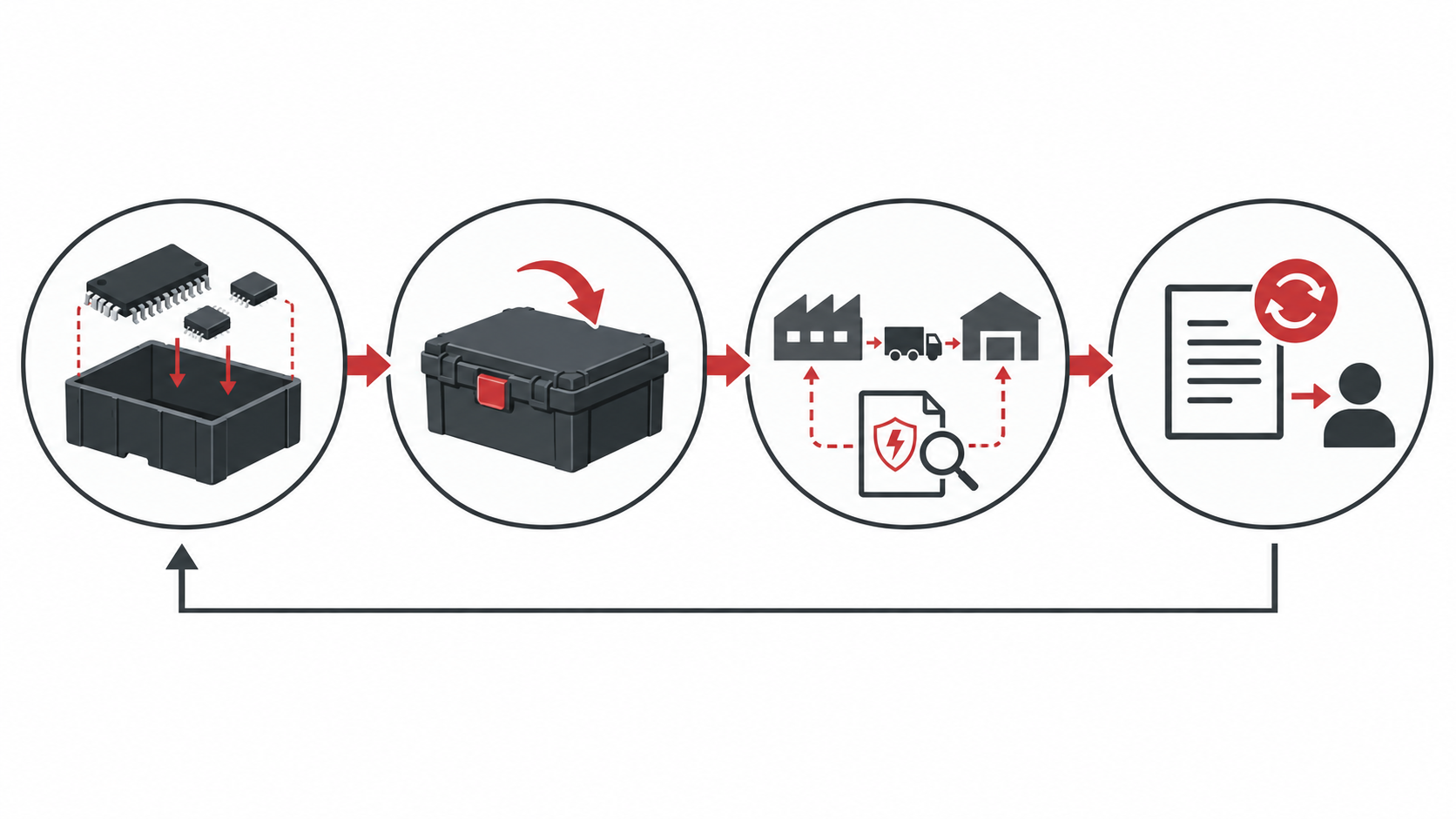
2. Specify closure and access
Closure is a workflow decision. A lid can contain contents during movement and storage. An open or front-access format can reduce reach time when operators pick repeatedly. A reinforced box with handles can suit a transfer route where people need defined hand points. State how often the container opens, whether one-hand access is needed, and whether the cover must remain attached.
Also describe identification. Give the label face, lot or SKU separation, inspection point, and replenishment method. If a divider, cover, label, or partition is optional on the product page, ask for the accessory against the exact model rather than assuming it fits the entire family.
Run a sample check after loading the intended contents. Confirm that the cover can close without interference, handles leave enough hand space, labels remain visible, and the loaded container follows the real shelf, cart, or receiving route. If stacking is part of the process, check the stack while the contents are present and record any access or identification change before approval.

3. Separate mechanical and ESD evidence
A purchasing specification should keep mechanical facts next to ESD facts but not mix their meanings. Ask for external and internal dimensions, usable volume, load or stacking information, and the support surface. Separately ask for the material classification, surface or volume property where relevant, test method, test condition, and any route restrictions.
The EOS/ESD Association and IEC references provide a framework for packaging and ESD-control programs. They do not replace the supplier’s configuration document. Do not write “compliant” or “certified” unless the specific product, test basis, scope, and current document support that wording.
The evidence request should name the model code, material, test method, condition, date or revision, and offered configuration together. A generic standard reference is not a substitute for that record. This makes it possible to compare a sample with the quoted configuration and to identify a change before a repeat order enters production.
4. Make the request revision-controlled
Ask for a model code, drawing or data sheet, revision/date, material and ESD evidence, accessory list, sample approval method, packaging for shipment, and any change-notification rule. Put the quantity and configuration in the same request so a later quote can be compared with the approved sample.
Keep the approved sample accessible to receiving and quality teams. That gives later checks a reference for closure, label placement, and handling clearance.
For repeat orders, define the change trigger: an alternative material, accessory, closure, drawing revision, or supplier process should return to approval before substitution. Keep the approved request, sample result, supplier response, and revision together so the next order uses the same configuration or records why it changed.
- Start with the ESD Box category to separate lidded, industrial, and other container families.
- Use the ESD Tray route when the contents need cavities, grids, or direct visual access.
- Use the lidded ESD box product route when a closed configuration and protected movement are required.
- Request configuration-specific drawings and test evidence before approving a model, sample, or repeat order.
A good request also defines what happens after delivery. State how the sample will be checked, who approves the drawing, how changes are communicated, and which fields must remain unchanged in repeat orders. This turns a one-time quote into a controlled purchasing record. Keep the supplier response, test basis, drawing revision, and approved configuration together with the order reference.
References
- EOS/ESD Association: ESD Fundamentals, Part 3 — ESD control procedures and materials.
- EOS/ESD Association: ANSI/ESD S541-2026 — packaging properties and test-method context.
- IEC 61340-5-1:2024 — ESD control-program requirements.