

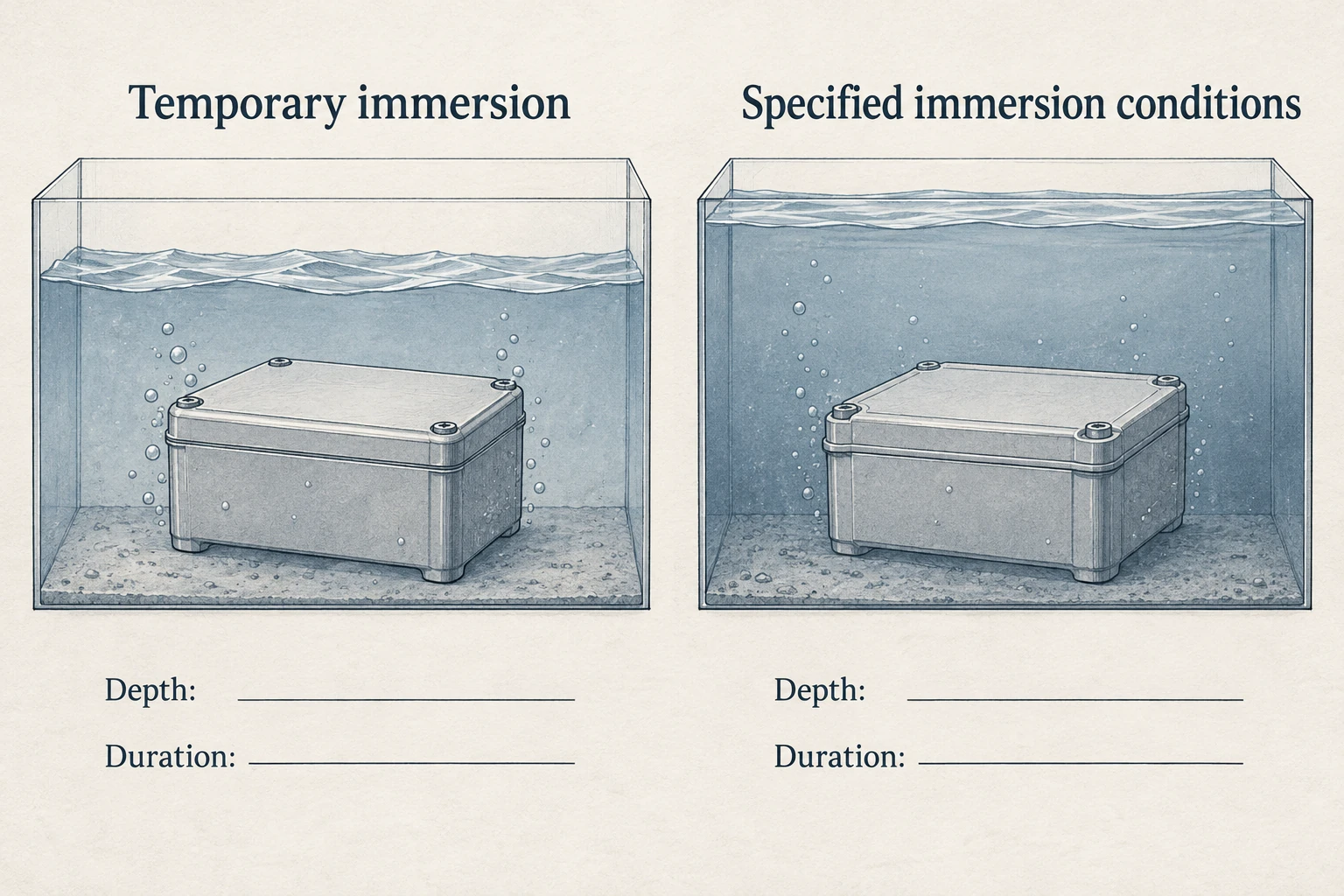
IP67 and IP68 both state dust-tight protection, but they describe different immersion categories. IP67 concerns temporary immersion. IP68 concerns immersion under specified conditions that need to be read with the manufacturer’s declaration. IP68 does not mean unlimited depth, unlimited time or automatic resistance to cleaning jets.
If you are comparing electronics or enclosures, the decisive information is the complete immersion specification and the final assembled configuration. A higher numeral is useful only when its documented conditions address the exposure that matters to your equipment.
IP67 vs IP68: what changes?
| Feature | IP67 | IP68 |
|---|---|---|
| First numeral, 6 | Dust-tight category | Dust-tight category |
| Water category | Temporary immersion | Immersion under specified conditions |
| Information needed | Applicable test conditions and assembly | Declared depth, duration and assembly conditions |
| Jet cleaning | Not established by immersion alone | Not established by immersion alone |
| Comparison basis | Fit to a temporary immersion exposure | Fit to the particular declared immersion exposure |
The space in a search such as “IP 67” does not describe a different protection category. The conventional marking is IP67. The two numerals have separate jobs: the first describes solid-object protection, while the second concerns water. Keeping those jobs separate prevents water performance from being mistaken for dust or other environmental performance.
Read the immersion conditions before choosing
An IP68 label is incomplete purchasing information without its associated conditions. Ask for the declared depth or pressure, duration and tested product state. Confirm whether caps, connectors, seals and accessories were fitted. Do not transfer a rating from one assembly to another merely because the housings look alike.
For example, a portable sensor and a fixed underwater instrument can both carry IP68 statements with different declared conditions. The shared code does not make them interchangeable. A comparison sheet should put those conditions beside the model number, leaving a blank or a question where the supplier has not provided them.
Two situations that lead to different decisions
Occasional temporary immersion: a portable device might be exposed briefly during a foreseeable incident. The team should compare that scenario with the documented IP67 conditions, then check the manufacturer’s recovery and service guidance. Choosing IP68 may be reasonable, but the code alone does not show what additional protection the particular model provides.
Intended immersed operation: an instrument may be selected for a defined underwater location. Here, the required depth, duration, operating state and other exposure conditions become the starting point. The declared IP68 conditions need to address that specification. Neither an isolated badge nor a product photograph establishes suitability for the intended duty.
These examples concern different questions. One asks about an occasional exposure; the other asks about an intended operating environment. Recording that distinction helps prevent a marketing comparison from replacing an engineering requirement.
Why immersion does not settle washdown suitability
A jet acts on an enclosure differently from surrounding water during immersion. ABB’s IP guidance notes that immersion categories do not automatically include jet protection. A product used in an immersed location and cleaned with jets therefore needs evidence addressing both exposures.
Similarly, a claim about water ingress does not by itself document resistance to solvents, hot cleaning, salt corrosion or repeated opening. Those questions need their own supporting information. The aim is not to demand every possible test; it is to identify the exposures that actually occur and avoid substituting the wrong evidence.
Compare the final configuration, including packaging
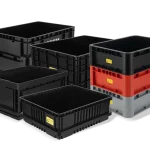
During electronics handling, distinguish the finished equipment enclosure from its storage or shipping container. An enclosure rating should not be transferred to an outer tote, and a conductive tote does not establish waterproof protection for the equipment inside it.
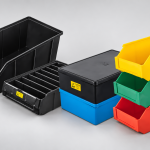
When reviewing CH-ESD’s ESD storage containers, treat part separation, closure and electrostatic protection as the handling requirements. Request separate model-specific evidence wherever moisture or immersion protection is needed. This keeps the ESD package and the environmental enclosure in their proper roles.
A useful final comparison records the exact model, declared IP code, depth and duration where applicable, fitted accessories and any separate jet requirement. If those fields are missing, obtain them before accepting “IP68 is better” as the selection reason.