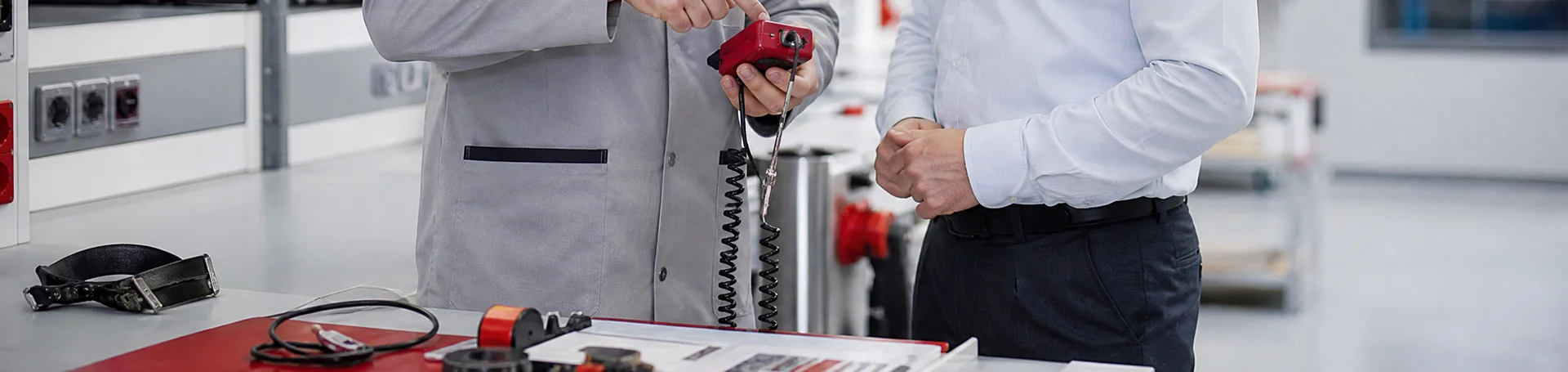

A production room is changing its cleaning routine. The existing instrument housing is marked IP54 and has worked under occasional splashes. The proposed replacement has the same marking, but the cleaning contractor now wants to use a hose. Matching the old part number’s rating does not settle the purchase: the water exposure in the new process is different. Is IP54 waterproof enough for that new job? The splash rating alone does not cover hose cleaning.
Is IP54 waterproof enough for the revised cleaning route?
The first digit, 5, means dust-protected. Dust ingress is not entirely prevented, but it must not be sufficient to interfere with satisfactory operation under the classification. This differs from the dust-tight category, 6. The second digit, 4, describes splashing water from any direction under test conditions. It does not establish performance against a directed cleaning jet or immersion.
Describe both requirements separately. A room may need better dust exclusion without any change in the cleaning method. Another may retain the same dust exposure but switch from wiping to a directed spray. A single request for a “more waterproof unit” can send a supplier looking at the wrong side of the specification.
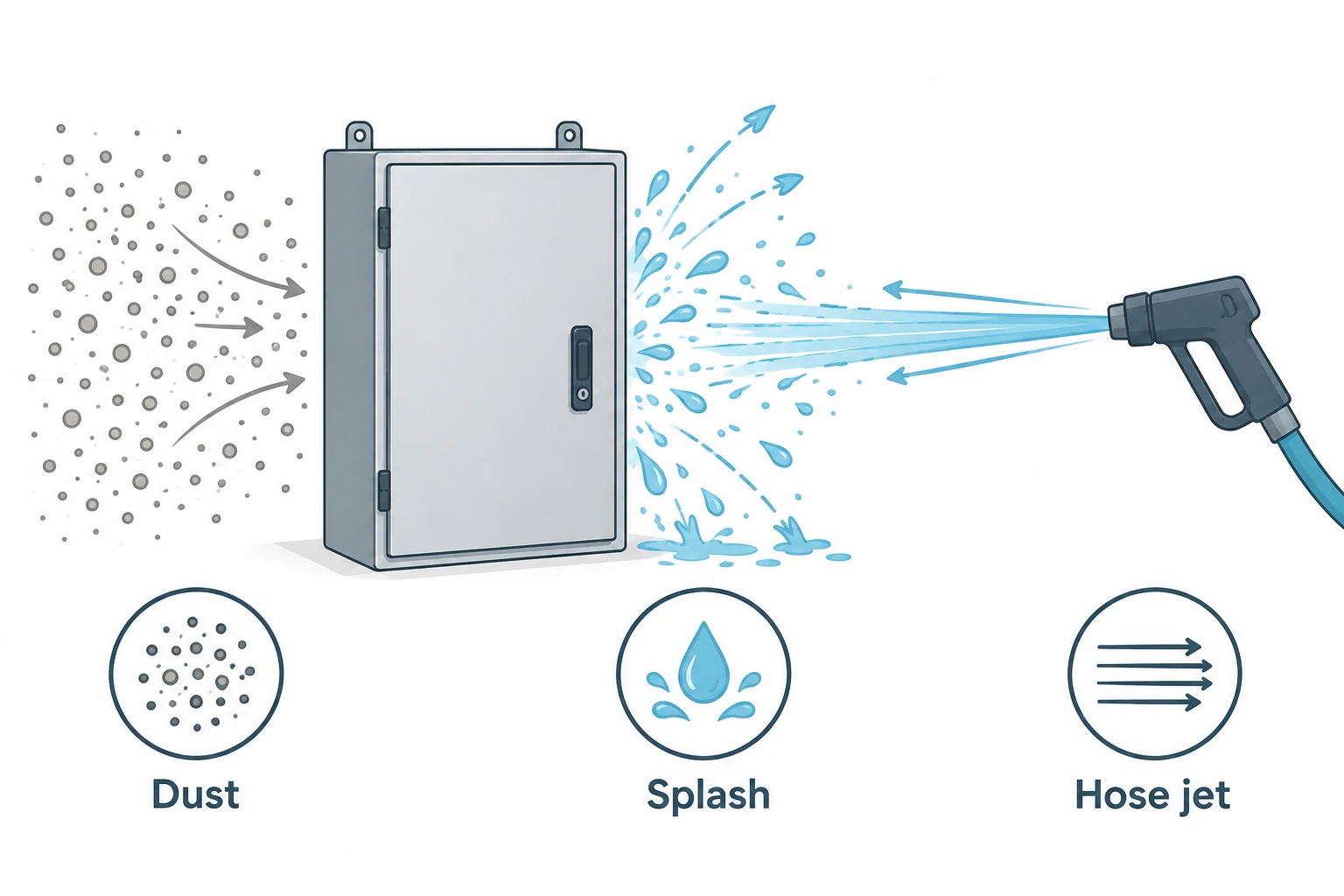
Three decisions for a change meeting
| Proposed operation | What evidence matters | Purchasing disposition |
|---|---|---|
| Existing room, same incidental splash and dust conditions | Exact assembled model, accepted prior use and manufacturer’s limits | Retain the candidate if requirements and evidence still match |
| New cleaning hose directed at the housing | Evidence covering the actual jet conditions and assembled state | Hold pending matching evidence or change the cleaning method |
| New process requires dust-tight equipment | Documented dust-tight classification for the assembled equipment | Select another candidate if IP54 is the only evidence |
These decisions concern a fictional purchasing review, not a judgment that a specific housing will leak. Rejecting an unsupported claim is different from reporting a failed test. Keep that distinction in the record so the next buyer understands why an alternative was requested.
Check what the supplier actually rated
A drawing may show a sealed front face but a different rear connection, or list accessories under a separate heading. Identify which faces the cleaning stream can reach. Send the model, installed accessory list and a short description of cleaning direction and frequency. Ask whether the rating covers that configuration. Keep the manufacturer’s cleaning restrictions with the response.
A disinfectant introduces a separate materials question. A water classification does not demonstrate compatibility with a chemical, its concentration or repeated exposure. Obtain the relevant care and compatibility information rather than treating a higher digit as a substitute. If the cleaning method can be changed, record the agreed method and its owner; an unwritten exception can disappear when contractors change.
Close the purchasing record
Record the old exposure, new exposure, exact candidate, supporting document and disposition. For example: “Hold replacement for hose-cleaned zone; retain for wipe-clean zone subject to the existing assembly specification.” The same candidate can reasonably receive two decisions for two work areas.
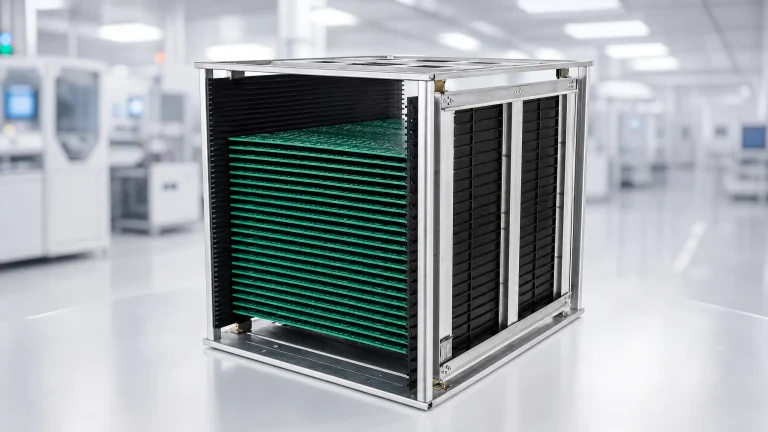
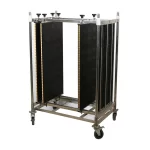
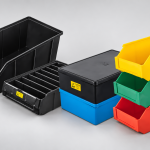
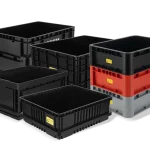
An ESD storage box for boards removed during maintenance addresses handling, not enclosure ingress protection. Keep that line item separate. The approval that matters here is the one covering the assembled equipment under the cleaning process the site actually intends to use.