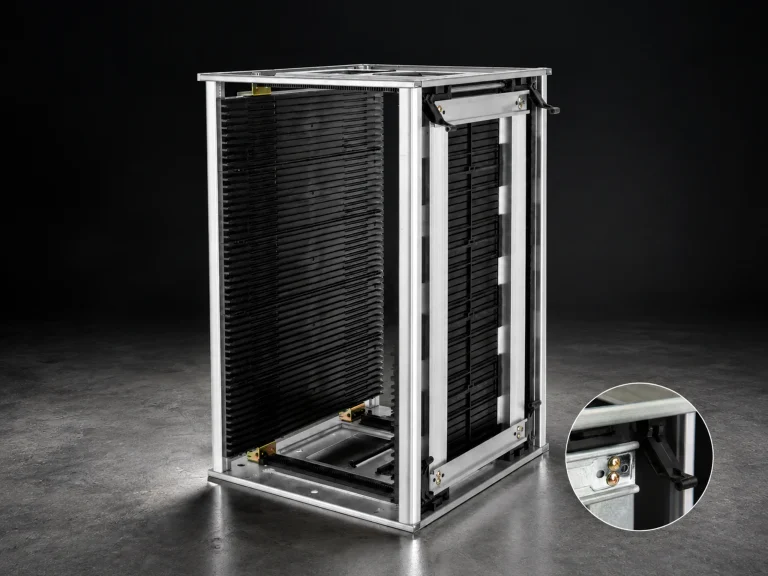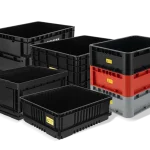


The electronics product manufacturers, assemblers, and logistical experts understand the risk of electrostatic discharge (ESD) in damage to sensitive devices. Proper bins to be used for preventing the effect of electrostatic discharge are key solutions to avoid damage caused by electrostatic discharge.
What are ESD Bins?
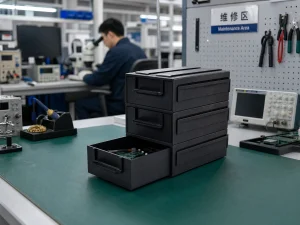
The ESD bin is a type of bin made from plastic that is designed so that electronic items inside cannot be affected by electrostatic shocks. Also, ESD stands for Electrostatic Discharge. ESD bins are different from normal plastic bins in the way that they are made of special antistatic or static dissipative materials which help to neutralize the electric charges. ESD bins must be used in factories, repair centers, labs, or any other places where sensitive electronics are present.
How ESD Bins Work
The material of the ESD bin carries the real significance of its functionality. Conductive polymers absorbed with carbon or metal filaments let electric charge travel, so it doesn’t occur suddenly. Static dissipative plastics, on the other hand, let electric charge flow out of them gradually. Reliable ESD bins are manufactured according to ANSI/ESD or IEC standards and should be grounded with ESD mats.
Why You Need ESD Bins
Even slight static charges can erase a microchip or ruin a whole product. ESD containers prevent unwanted disruption during shipping, transport, and movement of goods. Besides that, ESD containers are essential for being compliant with industry sta
ndards, in medicine, aerospace, and automotive engineering. Using ESD containers ensures more efficient audit and inventory processes and improves high levels of the company’s reliability and customer satisfaction.
Types of ESD Bins
There are several forms of ESD bin tailored to specific needs:
ESD Stack Bins: Easily stackable, these bins take full advantage of the storage space. Very appropriate for storage shelves and work stations.
Partition ESD Bin: Comes equipped with dividers to hold different pieces safely without discharging their static electricity.
Drawer ESD Bins: Designed as drawers in a cabinet bin system. These bins are usually used by laboratories and in production processes.
ESD Totes: These bins come in bigger boxes with handles making them suitable for carrying bulk items.
Custom ESD Bins: These bins come in different sizes, colors, and branding options.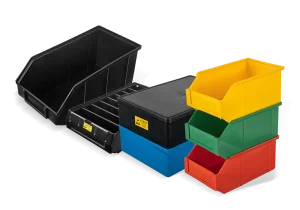
Choosing the Right Bin Size
Proper bin sizing is important so that there is no overcrowding or wasted space. Small items, such as integrated circuits (ICs) and surface mount devices (SMDs), usually only need shallow bins, but larger circuit boards require deeper bins. When choosing, consider how frequently each item is likely to be used; open bins can be very useful for frequently used components, while a rarely used component might be better off stored in an enclosed or archival bin. Make sure to check the dimensions of the shelves and consider stackable options when storing. Most suppliers will offer sizing tables or customization options.
Features and Maintenance
The best ESD bin models use durable conductive polypropylene and offer things like:
Reinforced walls、Partition systems、Ergonomic handles、Clear panels for visibility、Snap-on lids
Use ESD-safe formulas to clean the bins and check for cracks or fading of color. Avoid placing the ESD bins on ungrounded surfaces and in addition train the personnel in proper operation. If handled properly, ESD bins work effectively for many years.
Frequently Asked Questions About ESD Bins
What are the types of ESD bin? – Stackable, partitioned, drawer, tote, and custom bins suit various storage and handling needs.
Do ordinary bins offer ESD protection? – No. Only bins designed for ESD safety are suitable for protecting sensitive electronics.
Do ESD bins require grounding? – Yes. ESD bins must be placed on grounded surfaces to fully dissipate static charges.
Can bins be customized? – Most vendors offer custom sizes, partitions, and even branding for specific workflows.
Where to Buy ESD Bins
Choose suppliers who meet ANSI/ESD standards and have experience in your industry. Good providers will have samples, test reports, and good customer support. You can obtain custom products for your needs. After-sales support should also be provided for ESD control. Read reviews and ask questions before buying.
Integrating ESD Bins Into Your Workflow
In order to find static-risk points in your workflow, map it out. Choose the correct types of bins and sizes according to your storage and handling places and implement ESD-compatible shelving and mats. Train your staff to lift bins correctly and inspect them often. With the right integration, quality of your operations, productivity and costs will sharply improve
In conclusion, ESD bins play an essential role in protecting electronic devices from static electricity harm. They are responsible for maintaining order, following regulations, and ensuring everything runs smoothly. Selecting the proper bins—taking into consideration their kind, size, and supplier—and using them correctly in your process minimizes risks and helps keep both your devices and reputation safe in a tough competition.