
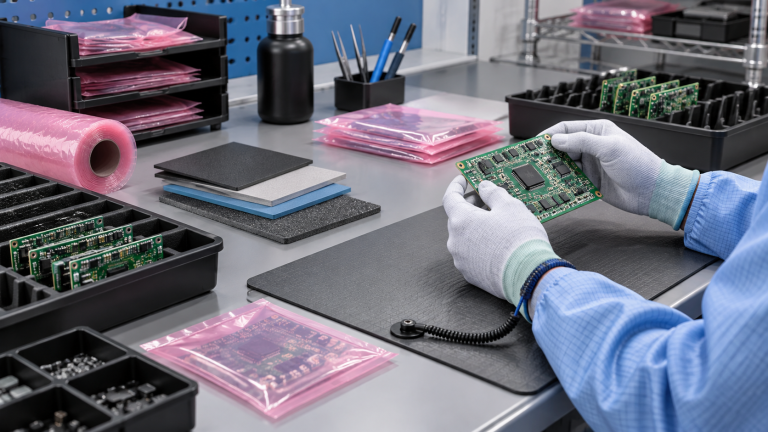
Antistatic Materials for Electronics: Types and Selection
Learn how to choose antistatic materials for electronics by separating charge control, dissipation, conductivity, shielding, grounding, and packaging tasks.
Learn how to choose antistatic materials for electronics by separating charge control, dissipation, conductivity, shielding, grounding, and packaging tasks.
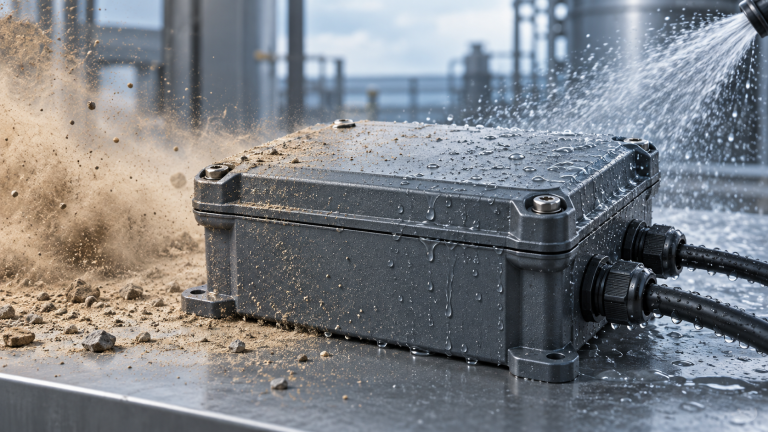
Learn what IP68 means, how its two digits describe enclosure protection, and which model-specific water, dust, and installation conditions buyers must verify.
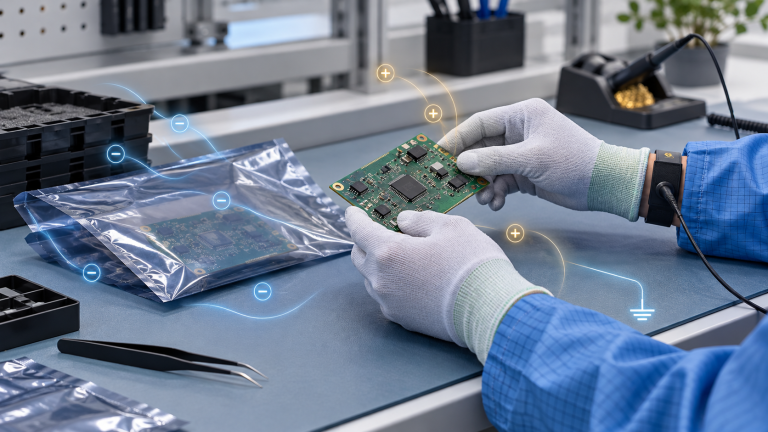
Learn what static electricity is, how contact and separation create charge, and how electronics teams control ESD risks with grounding, materials, and packaging.

Learn how to get static out of clothes, reduce ordinary static cling, and understand when electronics workplaces need documented ESD controls.

Learn about earthing arrangements TN-C-S, how they differ from ESD control grounding, and what electronics workplaces should verify.
